drnbansal@ymail.com
Phone : +918447542860
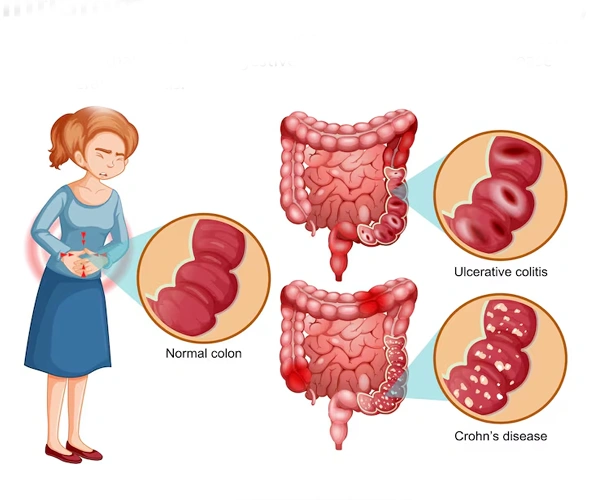
Inflammatory Bowel Disease (IBD) is a chronic condition that causes ongoing inflammation of the digestive tract. It mainly includes Crohn's disease and Ulcerative Colitis, both of which can significantly affect a person's quality of life if left untreated. Although IBD is a lifelong condition, timely diagnosis, proper medication, lifestyle modifications, and advanced surgical care can help patients lead healthy and active lives.
If you are looking for Inflammatory Bowel Disease Treatment in Janakpuri, Dr. Naresh Bansal provides comprehensive diagnosis, medical management, and advanced surgical treatment tailored to each patient's condition. With expertise in gastrointestinal disorders and minimally invasive surgery, Dr. Bansal focuses on controlling inflammation, preventing complications, and improving long-term digestive health.
What Is Inflammatory Bowel Disease (IBD)?
Inflammatory Bowel Disease refers to a group of disorders characterized by chronic inflammation of the gastrointestinal tract.
The two major types are:
Crohn's Disease
Crohn's disease can affect any part of the digestive tract, from the mouth to the anus. It often involves inflammation through multiple layers of the bowel wall.
Ulcerative Colitis
Ulcerative colitis primarily affects the colon and rectum, causing continuous inflammation and ulcers in the inner lining of the large intestine.
Patients seeking Inflammatory Bowel Disease Treatment in Janakpuri should consult a specialist early to prevent disease progression and complications.
Symptoms of IBD
Symptoms vary depending on the severity and type of disease but commonly include:
- Persistent diarrhea
- Blood in stool
- Abdominal pain and cramping
- Frequent bowel movements
- Urgency to pass stools
- Weight loss
- Fatigue
- Loss of appetite
- Fever
- Rectal bleeding
- Anemia
- Joint pain
- Skin problems
- Mouth ulcers
Symptoms often occur in cycles with periods of flare-ups and remission.
Causes of Inflammatory Bowel Disease
The exact cause of IBD remains unknown, but several factors may contribute, including:
- Abnormal immune system response
- Genetic predisposition
- Family history
- Environmental triggers
- Gut microbiome imbalance
- Smoking (especially Crohn's disease)
- Certain infections
IBD is not contagious and is not caused by stress alone, although stress can worsen symptoms.
Risk Factors
Several factors increase the likelihood of developing IBD:
- Family history
- Age below 35 years (commonly)
- Smoking
- Autoimmune disorders
- Certain medications
- Western dietary habits
- Previous intestinal infections
Diagnosis
Dr. Naresh Bansal performs a thorough evaluation using advanced diagnostic methods to confirm the diagnosis and assess disease severity.
Investigations may include:
- Colonoscopy
- Upper GI Endoscopy
- Biopsy
- Blood tests
- Stool examination
- CT Enterography
- MRI Enterography
- Capsule Endoscopy (when required)
Early diagnosis helps prevent irreversible bowel damage.
Treatment Options
Treatment depends on the severity, location, and type of IBD.
Medical Treatment
Most patients benefit from medications that reduce inflammation and control symptoms, including:
- Anti-inflammatory medicines
- Immunosuppressive medications
- Biologic therapy
- Antibiotics (when indicated)
- Nutritional supplements
Dietary Management
Diet plays an important role in symptom control.
Patients are advised to:
- Eat balanced meals
- Stay hydrated
- Avoid trigger foods
- Consume adequate protein
- Include vitamin-rich foods
- Follow personalized dietary recommendations
Minimally Invasive Surgery
Surgery may be recommended if medications fail or complications develop.
Surgical treatment may be needed for:
- Intestinal obstruction
- Fistulas
- Abscesses
- Severe bleeding
- Perforation
- Colon cancer risk
- Severe ulcerative colitis
Laparoscopic surgery offers:
- Smaller incisions
- Less pain
- Faster recovery
- Shorter hospital stay
- Better cosmetic results
Patients undergoing Inflammatory Bowel Disease Treatment in Janakpuri receive individualized treatment plans to achieve long-term disease control.
Complications of Untreated IBD
Without proper treatment, IBD may lead to:
- Intestinal blockage
- Fistulas
- Abscess formation
- Severe bleeding
- Malnutrition
- Colon perforation
- Colon cancer
- Growth delay in children
- Osteoporosis
- Anemia
Early intervention greatly reduces these risks.
Benefits of Early Treatment
Timely management provides several advantages:
- Controls inflammation
- Reduces flare-ups
- Improves digestion
- Prevents complications
- Preserves bowel function
- Improves nutritional status
- Enhances quality of life
- Lowers hospitalization rates
Recovery and Long-Term Care
IBD requires continuous follow-up even during symptom-free periods.
Patients should:
- Take medications regularly
- Follow dietary advice
- Stay physically active
- Avoid smoking
- Manage stress
- Attend routine follow-up visits
- Undergo periodic colonoscopy when advised
With proper care, many patients live normal, productive lives.
Why Choose Dr. Naresh Bansal?
Dr. Naresh Bansal is experienced in managing complex gastrointestinal disorders, including chronic inflammatory bowel diseases. His patient-centered approach combines accurate diagnosis, evidence-based treatment, and advanced minimally invasive surgical techniques.
Patients choose Dr. Naresh Bansal because of:
- Expertise in gastrointestinal surgery
- Advanced laparoscopic procedures
- Comprehensive diagnostic evaluation
- Personalized treatment plans
- Focus on long-term disease management
- Compassionate patient care
- Modern treatment facilities
- Excellent surgical outcomes
If you are searching for Inflammatory Bowel Disease Treatment in Janakpuri, consult Dr. Naresh Bansal for expert care aimed at controlling symptoms, preventing complications, and improving your quality of life.
Frequently Asked Questions (FAQs)
1. What is the difference between Crohn's disease and ulcerative colitis?
Crohn's disease can affect any part of the digestive tract, while ulcerative colitis affects only the colon and rectum.
2. Is IBD curable?
There is currently no permanent cure, but proper treatment can effectively control symptoms and maintain long-term remission.
3. Does everyone with IBD need surgery?
No. Most patients are treated successfully with medications. Surgery is recommended only when complications arise or medical treatment is ineffective.
4. Can diet cure IBD?
Diet cannot cure IBD, but it plays an important role in managing symptoms and reducing flare-ups.
5. Is IBD hereditary?
A family history increases the risk, but not everyone with a family history develops IBD.
6. Can stress cause IBD?
Stress does not cause IBD, but it may worsen existing symptoms.
7. Is colonoscopy necessary for IBD diagnosis?
Yes. Colonoscopy with biopsy is one of the most accurate methods for diagnosing IBD.
8. Can people with IBD lead a normal life?
Yes. With proper treatment, regular follow-up, and lifestyle modifications, most patients can enjoy a healthy and active life.

Dr Naresh Bansal.All Rights Reserved © 2026