drnbansal@ymail.com
Phone : +918447542860
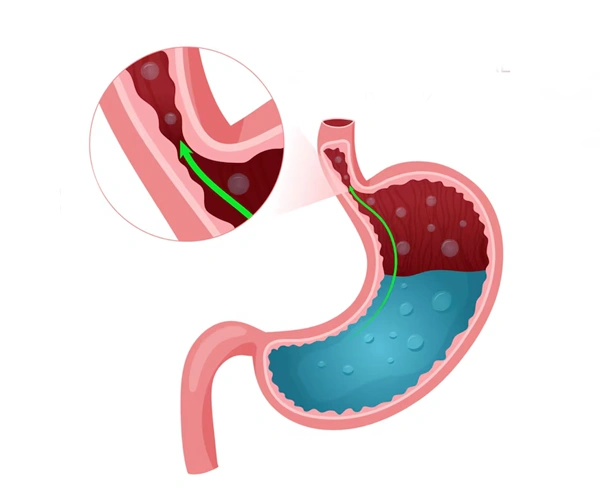
If you are searching for the best Gastroesophageal Reflux Treatment in Janakpuri, timely diagnosis and expert gastroenterology care are important for managing persistent acidity, heartburn, and digestive discomfort. Gastroesophageal Reflux Disease (GERD) is a common digestive condition in which stomach acid or digestive contents flow back into the esophagus (food pipe), causing irritation and inflammation.
Occasional acid reflux may happen to many people, but frequent reflux can affect daily life and may lead to complications if left untreated. Symptoms such as heartburn, sour taste, chest discomfort, and difficulty swallowing require proper evaluation and management.
At Dr. Naresh Bansal's Gastro & Liver Clinic, patients receive comprehensive assessment, advanced diagnostic evaluation, and personalized treatment plans for GERD, acid reflux, and related esophageal disorders.
What is Gastroesophageal Reflux?
Gastroesophageal Reflux (GERD) is a condition where stomach contents move backward into the esophagus due to improper functioning of the lower esophageal sphincter (LES).
Normally, the LES acts like a valve that prevents stomach acid from flowing back into the food pipe. When this valve becomes weak or relaxes abnormally, acid reflux occurs.
Repeated exposure to stomach acid can irritate the esophageal lining and may cause:
- Heartburn
- Esophagitis
- Chest discomfort
- Swallowing difficulties
- Long-term esophageal changes
Causes and Risk Factors of Gastroesophageal Reflux
Several factors can contribute to GERD.
Weak Lower Esophageal Sphincter
Reduced strength or abnormal relaxation of the LES allows stomach contents to flow backward.
Hiatal Hernia
A condition where part of the stomach moves upward through the diaphragm, increasing reflux risk.
Obesity
Excess abdominal pressure can increase acid reflux symptoms.
Dietary Factors
Certain foods and beverages may trigger symptoms, including:
- Spicy foods
- Fatty foods
- Caffeine
- Carbonated drinks
- Chocolate
Lifestyle Factors
Risk may increase with:
- Smoking
- Late-night meals
- Lying down soon after eating
- Excess alcohol consumption
Pregnancy
Hormonal changes and increased abdominal pressure may contribute to reflux.
Symptoms of Gastroesophageal Reflux
Common symptoms include:
- Burning sensation in the chest (heartburn)
- Sour or acidic taste in the mouth
- Regurgitation of food or liquid
- Chest discomfort
- Burping
- Bloating
- Difficulty swallowing
- Feeling of a lump in the throat
- Chronic cough
- Hoarseness of voice
- Throat irritation
Some people may experience reflux without typical heartburn symptoms.
Complications of Gastroesophageal Reflux
Untreated GERD may lead to:
Esophagitis
Repeated acid exposure can cause inflammation and irritation of the esophagus.
Esophageal Stricture
Chronic inflammation may cause scar formation and narrowing of the food pipe.
Barrett’s Esophagus
Long-term reflux may cause changes in the esophageal lining that require monitoring.
Sleep Disturbances
Night-time reflux can affect sleep quality.
Difficulty Swallowing
Progressive damage may interfere with normal swallowing.
Early treatment helps reduce the risk of complications.
How is Gastroesophageal Reflux Diagnosed?
Diagnosis depends on symptoms, medical history, and specialized tests when required.
Upper GI Endoscopy
Endoscopy helps examine the esophagus and stomach.
It can identify:
- Esophageal inflammation
- Ulcers
- Strictures
- Barrett’s esophagus
24-Hour pH Monitoring
This test measures acid exposure in the esophagus and helps confirm reflux.
Esophageal Manometry
This evaluates:
- Esophageal muscle movement
- Lower esophageal sphincter function
Barium Swallow Test
This imaging test may help evaluate swallowing problems and structural abnormalities.
How is Gastroesophageal Reflux Treated?
Treatment depends on symptom severity and the presence of complications.
Lifestyle Changes
Patients may be advised to:
- Avoid trigger foods
- Maintain healthy weight
- Eat smaller meals
- Avoid lying down immediately after meals
- Elevate the head while sleeping
- Stop smoking
Medicines
Treatment may include:
Proton Pump Inhibitors (PPIs)
These reduce stomach acid production and help heal acid-related damage.
H2 Receptor Blockers
These may help reduce acid production.
Antacids
These provide short-term relief from acidity symptoms.
Endoscopic and Surgical Treatment
For selected patients with severe reflux or complications, procedures may be considered.
Options may include:
- Anti-reflux surgery
- Endoscopic therapies
- Hiatal hernia repair when required
Treatment Procedure
Step 1 – Initial Consultation
A detailed discussion about reflux symptoms, lifestyle habits, medical history, and previous treatments.
Step 2 – Diagnostic Evaluation
Tests such as endoscopy, pH monitoring, or manometry may be recommended based on symptoms.
Step 3 – Identifying the Cause
The doctor evaluates reflux severity and checks for complications.
Step 4 – Personalized Treatment Plan
A customized plan including lifestyle changes, medicines, or procedures is prepared.
Step 5 – Follow-Up Care
Regular monitoring helps control symptoms and prevent complications.
Benefits of Early Gastroesophageal Reflux Treatment
Seeking timely Gastroesophageal Reflux Treatment in Janakpuri provides several benefits:
- Relief from heartburn and acidity
- Improved digestion
- Better sleep quality
- Reduced esophageal inflammation
- Prevention of reflux complications
- Improved swallowing comfort
- Better quality of life
- Long-term symptom control
Why Choose Dr. Naresh Bansal?
Dr. Naresh Bansal is an experienced Gastroenterologist specializing in digestive disorders, acid reflux, and esophageal conditions.
Patients choose Dr. Naresh Bansal because of:
- Extensive experience in gastroenterology
- Expertise in diagnosing GERD and reflux disorders
- Advanced endoscopic evaluation
- Comprehensive assessment of esophageal conditions
- Personalized treatment strategies
- Evidence-based medical care
- Focus on identifying the root cause
- Patient-friendly approach
- Long-term follow-up support
- Complete digestive health management
Frequently Asked Questions (FAQs)
1. What is gastroesophageal reflux?
Gastroesophageal reflux occurs when stomach acid flows back into the esophagus, causing irritation and symptoms such as heartburn.
2. Is GERD a serious condition?
GERD is common and manageable, but untreated long-term reflux may cause complications such as esophagitis and Barrett’s esophagus.
3. What foods should be avoided in acid reflux?
Trigger foods vary between individuals but may include spicy foods, fatty foods, caffeine, chocolate, and carbonated drinks.
4. Can GERD be permanently cured?
GERD can often be effectively controlled through lifestyle changes, medicines, and selected procedures when required.
5. Is endoscopy required for acid reflux?
Endoscopy may be recommended for persistent symptoms, warning signs, or to check for complications.
Dr Naresh Bansal.All Rights Reserved © 2026