drnbansal@ymail.com
Phone : +918447542860
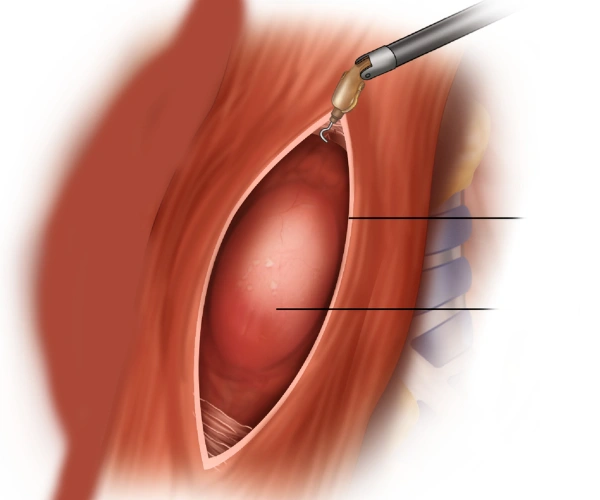
If you are searching for the best Esophageal Leiomyoma Treatment in Janakpuri, expert evaluation and accurate diagnosis are important for managing benign tumors of the food pipe. Esophageal Leiomyoma is a rare, slow-growing, non-cancerous tumor that develops from the smooth muscle layer of the esophagus.
Most esophageal leiomyomas grow slowly and may not cause symptoms. However, larger tumors can interfere with swallowing, cause chest discomfort, or create a sensation of food getting stuck. Advanced diagnostic procedures such as endoscopy, endoscopic ultrasound (EUS), and imaging tests help determine the size, location, and nature of the tumor.
At Dr. Naresh Bansal's Gastro & Liver Clinic, patients receive comprehensive assessment, advanced diagnostic support, and personalized management for esophageal tumors and other gastrointestinal conditions.
What is Esophageal Leiomyoma?
Esophageal Leiomyoma is a benign tumor that originates from the smooth muscle cells of the esophageal wall.
The esophagus contains different layers of tissue, including muscle layers that help move food toward the stomach. A leiomyoma develops when these muscle cells grow abnormally but do not behave like cancer cells.
Key features of esophageal leiomyoma include:
- Usually benign (non-cancerous)
- Slow-growing
- Commonly located in the lower and middle esophagus
- Often detected incidentally during investigations
Although malignant transformation is extremely rare, proper evaluation is important to confirm diagnosis.
Causes and Risk Factors of Esophageal Leiomyoma
The exact cause of esophageal leiomyoma is not clearly known.
Possible contributing factors may include:
- Abnormal growth of smooth muscle cells
- Genetic changes affecting cell growth
- Local tissue development abnormalities
Unlike many digestive conditions, esophageal leiomyoma is not usually linked to:
- Diet
- Acid reflux
- Lifestyle habits
- Infections
It can occur in adults of different age groups.
Symptoms of Esophageal Leiomyoma
Small leiomyomas often do not cause symptoms. Symptoms usually appear when the tumor becomes larger.
Common symptoms include:
- Difficulty swallowing (dysphagia)
- Feeling of food getting stuck
- Chest discomfort or pain
- Difficulty swallowing solid foods
- Regurgitation
- Heartburn-like symptoms
- Weight loss in some cases
- Feeling of pressure in the chest
The severity of symptoms depends on:
- Tumor size
- Location
- Effect on the esophageal passage
Complications of Esophageal Leiomyoma
Although esophageal leiomyoma is benign, larger tumors may cause:
Swallowing Difficulty
The tumor may narrow the esophageal passage and interfere with food movement.
Food Obstruction Symptoms
Patients may feel that food is stuck while swallowing.
Nutritional Problems
Persistent swallowing difficulty may reduce food intake.
Diagnostic Uncertainty
Some submucosal esophageal tumors require careful evaluation to differentiate them from other lesions.
Early assessment helps determine appropriate management.
How is Esophageal Leiomyoma Diagnosed?
Diagnosis involves evaluating the tumor size, location, and tissue characteristics.
Upper GI Endoscopy
Endoscopy allows doctors to examine the inner surface of the esophagus and identify any bulging or abnormal areas.
Endoscopic Ultrasound (EUS)
EUS is an important diagnostic tool for esophageal leiomyoma.
It helps evaluate:
- Layer of origin of the tumor
- Size and depth
- Internal structure
- Difference between benign and other types of tumors
EUS-guided biopsy may be considered in selected cases.
CT Scan
CT imaging helps assess:
- Tumor size
- Location
- Relationship with nearby structures
MRI Scan
MRI may be recommended in specific cases for detailed soft tissue evaluation.
How is Esophageal Leiomyoma Treated?
Treatment depends on:
- Tumor size
- Symptoms
- Growth pattern
- Diagnostic findings
Observation and Monitoring
Small, asymptomatic leiomyomas may be monitored with regular follow-up imaging or evaluation.
Endoscopic Treatment
Selected small tumors may be treated using advanced endoscopic techniques in suitable cases.
Surgical Removal
Surgical removal may be recommended when:
- The tumor is large
- Symptoms are significant
- Diagnosis is uncertain
- The tumor causes obstruction
Surgery aims to remove the tumor while preserving normal esophageal function.
Treatment Procedure
Step 1 – Initial Consultation
A detailed evaluation of swallowing symptoms, medical history, and previous investigation reports.
Step 2 – Diagnostic Evaluation
Endoscopy, EUS, CT scan, or other imaging tests may be performed.
Step 3 – Tumor Assessment
The size, location, and characteristics of the leiomyoma are evaluated.
Step 4 – Treatment Planning
A personalized treatment approach is selected based on symptoms and findings.
Step 5 – Follow-Up Care
Regular monitoring helps assess stability and detect any changes.
Benefits of Early Esophageal Leiomyoma Treatment
Seeking timely Esophageal Leiomyoma Treatment in Janakpuri provides several benefits:
- Accurate diagnosis of the tumor
- Relief from swallowing difficulty
- Prevention of obstruction symptoms
- Better treatment planning
- Monitoring of tumor growth
- Improved quality of life
- Reduced anxiety through proper evaluation
- Long-term esophageal health management
Why Choose Dr. Naresh Bansal?
Dr. Naresh Bansal is an experienced Gastroenterologist specializing in digestive disorders, esophageal conditions, and advanced endoscopic procedures.
Patients choose Dr. Naresh Bansal because of:
- Extensive experience in gastroenterology
- Expertise in evaluating esophageal tumors
- Advanced diagnostic procedures including EUS and endoscopy
- Accurate assessment of submucosal lesions
- Personalized treatment planning
- Evidence-based medical care
- Focus on minimally invasive approaches
- Comprehensive gastrointestinal care
- Patient-focused treatment
- Long-term follow-up support
Frequently Asked Questions (FAQs)
1. What is an esophageal leiomyoma?
An esophageal leiomyoma is a rare benign tumor that develops from the smooth muscle layer of the esophagus.
2. Is esophageal leiomyoma cancerous?
No. Esophageal leiomyoma is usually a non-cancerous tumor, but evaluation is important to confirm the diagnosis.
3. What are the symptoms of esophageal leiomyoma?
Symptoms may include difficulty swallowing, chest discomfort, and the feeling of food getting stuck.
4. How is esophageal leiomyoma diagnosed?
Diagnosis involves endoscopy, endoscopic ultrasound (EUS), and imaging tests such as CT or MRI.
5. Does every esophageal leiomyoma require surgery?
No. Small, symptom-free tumors may only require monitoring, while larger or symptomatic tumors may need treatment.

Dr Naresh Bansal.All Rights Reserved © 2026