drnbansal@ymail.com
Phone : +918447542860
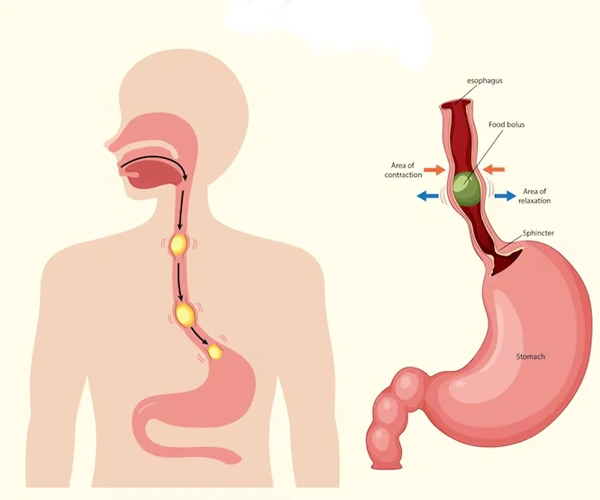
If you are searching for the best Eosinophilic Esophagitis Treatment in Janakpuri, expert diagnosis and specialized gastroenterology care are important for managing chronic swallowing problems and esophageal inflammation. Eosinophilic Esophagitis (EoE) is a chronic immune-related condition in which a type of white blood cell called eosinophils builds up in the lining of the esophagus, causing inflammation and damage.
Eosinophilic esophagitis can affect people of all ages and may lead to difficulty swallowing, food getting stuck in the esophagus, chest discomfort, and feeding difficulties. Since symptoms can resemble acid reflux or other digestive problems, accurate diagnosis through endoscopy and biopsy is essential.
At Dr. Naresh Bansal's Gastro & Liver Clinic, patients receive comprehensive evaluation, advanced endoscopic assessment, and personalized treatment plans for eosinophilic esophagitis and other esophageal disorders.
What is Eosinophilic Esophagitis?
Eosinophilic Esophagitis (EoE) is a chronic inflammatory disease of the esophagus caused by an abnormal immune response.
In this condition:
- Eosinophils accumulate in the esophageal lining
- Inflammation develops
- The esophageal tissue may become stiff or narrowed
- Swallowing difficulties may occur
The esophagus normally allows smooth movement of food from the mouth to the stomach. In EoE, ongoing inflammation can affect normal swallowing and digestion.
Causes and Risk Factors of Eosinophilic Esophagitis
The exact cause of EoE is not completely understood. It is believed to result from a combination of genetic and immune-related factors.
Common contributing factors include:
Food Allergies and Sensitivities
Certain foods may trigger an immune response, including:
- Milk
- Wheat
- Eggs
- Soy
- Nuts
- Seafood
Environmental Allergies
Exposure to allergens such as pollen or dust may contribute in some individuals.
Genetic Factors
People with a family history of allergic conditions may have a higher risk.
Associated Allergic Conditions
EoE is more common in people with:
- Asthma
- Allergic rhinitis
- Eczema
- Food allergies
Symptoms of Eosinophilic Esophagitis
Symptoms vary depending on age and severity.
Common symptoms in adults include:
- Difficulty swallowing food
- Feeling that food is stuck in the chest
- Chest pain or discomfort
- Heartburn-like symptoms
- Regurgitation
- Abdominal discomfort
- Avoiding certain foods due to swallowing problems
In children, symptoms may include:
- Feeding difficulties
- Vomiting
- Poor weight gain
- Abdominal pain
- Difficulty eating solid foods
Complications of Eosinophilic Esophagitis
If untreated, chronic inflammation may lead to:
Esophageal Narrowing (Strictures)
Long-term inflammation can cause scar tissue formation and narrowing of the esophagus.
Food Impaction
Food may become stuck in the esophagus, requiring urgent medical attention.
Difficulty Eating
Persistent swallowing problems may affect nutrition and quality of life.
Esophageal Remodeling
Chronic inflammation can cause changes in the structure and function of the esophagus.
Early treatment helps reduce these risks.
How is Eosinophilic Esophagitis Diagnosed?
Diagnosis requires evaluation of symptoms, endoscopic findings, and biopsy results.
Upper GI Endoscopy
Endoscopy allows doctors to examine the esophagus for signs such as:
- Rings
- Narrowing
- White spots
- Inflammation
- Surface changes
Esophageal Biopsy
Biopsy is essential for diagnosis.
During endoscopy, small tissue samples are collected to check:
- Number of eosinophils
- Degree of inflammation
- Response to treatment
Allergy Evaluation
In selected cases, allergy testing may help identify possible triggers.
How is Eosinophilic Esophagitis Treated?
Treatment aims to reduce inflammation, improve swallowing, and prevent complications.
Dietary Management
Some patients may benefit from dietary approaches, including:
- Elimination diets
- Avoiding specific trigger foods
- Guidance from healthcare professionals
Acid-Suppressing Medicines
Proton pump inhibitors (PPIs) may help reduce symptoms and inflammation in some patients.
Topical Steroids
Swallowed corticosteroids may be prescribed to reduce inflammation in the esophagus.
These medicines are designed to act locally on the esophageal lining.
Esophageal Dilatation
If strictures develop, endoscopic dilation may be performed to widen the narrowed area and improve swallowing.
Treatment Procedure
Step 1 – Initial Consultation
A detailed evaluation of swallowing problems, allergies, symptoms, and medical history.
Step 2 – Diagnostic Endoscopy
Upper GI endoscopy with biopsy is performed to confirm inflammation and eosinophil levels.
Step 3 – Identifying Triggers
Possible food or environmental triggers are evaluated.
Step 4 – Personalized Treatment Plan
Treatment may include medicines, dietary changes, or endoscopic procedures depending on severity.
Step 5 – Follow-Up Monitoring
Regular follow-up helps assess symptom improvement and control inflammation.
Benefits of Early Eosinophilic Esophagitis Treatment
Seeking timely Eosinophilic Esophagitis Treatment in Janakpuri provides several benefits:
- Improved swallowing ability
- Reduced esophageal inflammation
- Relief from chest discomfort
- Prevention of food blockage
- Reduced risk of strictures
- Better nutritional intake
- Improved quality of life
- Long-term management of symptoms
Why Choose Dr. Naresh Bansal?
Dr. Naresh Bansal is an experienced Gastroenterologist specializing in digestive disorders, esophageal diseases, and advanced endoscopic procedures.
Patients choose Dr. Naresh Bansal because of:
- Extensive experience in gastroenterology
- Expertise in diagnosing swallowing disorders
- Advanced endoscopic evaluation
- Experience with biopsy-based diagnosis
- Comprehensive management of esophageal conditions
- Personalized treatment recommendations
- Evidence-based medical approach
- Focus on preventing complications
- Patient-centered care
- Long-term follow-up support
Frequently Asked Questions (FAQs)
1. What is eosinophilic esophagitis?
Eosinophilic esophagitis is a chronic inflammatory condition of the esophagus caused by accumulation of eosinophils in the esophageal lining.
2. Is eosinophilic esophagitis caused by acid reflux?
EoE can have symptoms similar to acid reflux, but it is a separate condition related to immune and allergic responses.
3. How is EoE diagnosed?
Diagnosis requires upper GI endoscopy with biopsy to check for eosinophil accumulation in the esophageal tissue.
4. Can eosinophilic esophagitis be cured permanently?
EoE is usually a chronic condition, but proper treatment can effectively control inflammation and symptoms.
5. Can EoE cause food blockage?
Yes. Severe inflammation and narrowing can cause food to become stuck in the esophagus.

Dr Naresh Bansal.All Rights Reserved © 2026