drnbansal@ymail.com
Phone : +918447542860
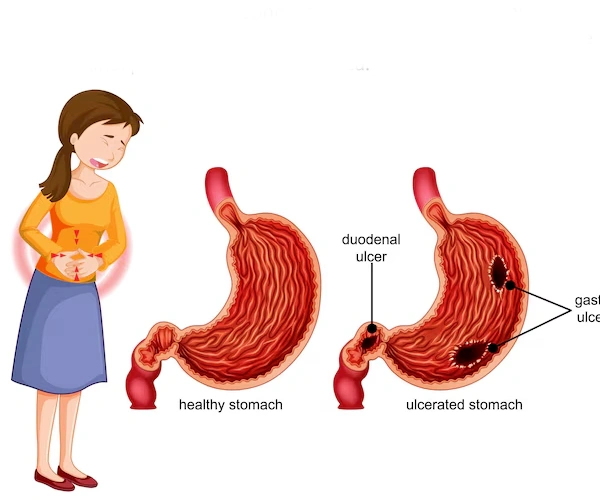
If you are searching for the best Peptic Ulcer Disease Treatment in Janakpuri, timely diagnosis and expert gastroenterology care are important for managing stomach ulcers and preventing serious complications. Peptic Ulcer Disease (PUD) is a condition in which open sores develop in the inner lining of the stomach or the first part of the small intestine (duodenum).
Peptic ulcers occur when the protective lining of the digestive tract becomes damaged due to factors such as H. pylori infection, long-term use of pain-relieving medicines (NSAIDs), excessive acid production, or other digestive conditions. Without proper treatment, ulcers may lead to bleeding, perforation, or recurring digestive problems.
At Dr. Naresh Bansal's Gastro & Liver Clinic, patients receive comprehensive evaluation, advanced endoscopic diagnosis, and personalized treatment plans for peptic ulcers, gastritis, acid-related disorders, and other gastrointestinal conditions.
What is Peptic Ulcer Disease?
Peptic Ulcer Disease refers to ulcers or open sores that develop in the lining of the stomach or duodenum due to damage to the protective mucosal layer.
The two main types of peptic ulcers are:
Gastric Ulcer
A gastric ulcer develops in the lining of the stomach.
Duodenal Ulcer
A duodenal ulcer develops in the first part of the small intestine.
Normally, the stomach lining protects itself from digestive acids. When this protection becomes weak, stomach acid can damage the tissue and create an ulcer.
Causes and Risk Factors of Peptic Ulcer Disease
Several factors can contribute to the development of peptic ulcers.
Helicobacter Pylori (H. pylori) Infection
H. pylori bacteria can damage the stomach lining and increase acid-related injury.
Long-Term Use of NSAIDs
Regular use of pain-relieving medicines such as certain anti-inflammatory drugs may weaken stomach protection and increase ulcer risk.
Excess Stomach Acid Production
Increased acid production can contribute to ulcer formation.
Smoking
Smoking can delay ulcer healing and increase recurrence risk.
Alcohol Consumption
Excessive alcohol intake may irritate the stomach lining.
Other Risk Factors
- Stress and poor lifestyle habits
- Family history of ulcers
- Certain medical conditions
- Previous history of peptic ulcers
Symptoms of Peptic Ulcer Disease
Symptoms may vary depending on the location and severity of the ulcer.
Common symptoms include:
- Burning pain in the upper abdomen
- Stomach discomfort between meals
- Pain that worsens or improves after eating
- Bloating
- Indigestion
- Nausea
- Vomiting
- Loss of appetite
- Feeling full quickly
Warning symptoms requiring immediate medical attention include:
- Vomiting blood
- Black-colored stools
- Severe abdominal pain
- Unexplained weight loss
- Difficulty swallowing
Complications of Peptic Ulcer Disease
If untreated, peptic ulcers may cause:
Gastrointestinal Bleeding
An ulcer can damage blood vessels and cause bleeding.
Perforation
A deep ulcer may create a hole in the stomach or intestinal wall, causing a medical emergency.
Gastric Outlet Obstruction
Swelling or scarring from ulcers may block food movement from the stomach.
Recurrent Ulcers
Without proper treatment of the underlying cause, ulcers may return.
Early diagnosis helps prevent these complications.
How is Peptic Ulcer Disease Diagnosed?
Diagnosis involves identifying the ulcer, its cause, and possible complications.
Upper GI Endoscopy
Endoscopy is the most accurate test for diagnosing peptic ulcers.
During endoscopy:
- A flexible camera examines the stomach and duodenum
- Ulcers are directly visualized
- Biopsy samples may be taken if required
- H. pylori testing can be performed
H. pylori Testing
Tests may include:
- Urea breath test
- Stool antigen test
- Endoscopic biopsy test
Blood Tests
Doctors may recommend:
- Complete Blood Count (CBC)
- Hemoglobin levels
- Liver function tests when required
Imaging Tests
In selected complicated cases, imaging may be used to evaluate complications.
How is Peptic Ulcer Disease Treated?
Treatment depends on the cause, severity, and presence of complications.
Acid-Suppressing Medicines
Medications such as proton pump inhibitors (PPIs) help:
- Reduce stomach acid
- Allow ulcer healing
- Relieve pain and discomfort
H. pylori Eradication Therapy
If H. pylori infection is present, treatment includes:
- Combination antibiotics
- Acid-suppressing medicines
Completing the full treatment course is important for successful eradication.
Stopping Ulcer-Causing Medicines
Doctors may recommend reducing or changing NSAID medicines when possible.
Lifestyle Modifications
Patients may benefit from:
- Avoiding smoking
- Limiting alcohol
- Eating balanced meals
- Avoiding foods that trigger symptoms
- Managing stress
Endoscopic Treatment
If bleeding occurs, endoscopy may be used to control bleeding through specialized techniques.
Treatment Procedure
Step 1 – Initial Consultation
A detailed review of symptoms, medical history, medication use, and digestive problems.
Step 2 – Diagnostic Evaluation
Endoscopy, H. pylori testing, and blood investigations help confirm the diagnosis.
Step 3 – Identifying the Cause
The doctor determines whether the ulcer is caused by infection, medicines, or other factors.
Step 4 – Medical Treatment
A personalized treatment plan is provided, including acid control and infection treatment if required.
Step 5 – Follow-Up Care
Follow-up evaluation ensures ulcer healing and reduces the risk of recurrence.
Benefits of Early Peptic Ulcer Treatment
Seeking timely Peptic Ulcer Disease Treatment in Janakpuri provides several benefits:
- Relief from stomach pain and discomfort
- Faster ulcer healing
- Prevention of bleeding complications
- Reduced risk of ulcer recurrence
- Improved digestion
- Effective treatment of H. pylori infection
- Better stomach health
- Improved quality of life
- Long-term digestive care
Why Choose Dr. Naresh Bansal?
Dr. Naresh Bansal is an experienced Gastroenterologist specializing in stomach disorders, digestive diseases, liver conditions, and advanced endoscopic procedures.
Patients choose Dr. Naresh Bansal because of:
- Extensive experience in gastroenterology
- Expertise in diagnosing stomach ulcers and digestive disorders
- Advanced endoscopic evaluation
- Accurate identification of ulcer causes
- Personalized treatment approach
- Evidence-based medical care
- Focus on preventing complications
- Patient-friendly treatment environment
- Long-term follow-up support
- Comprehensive gastroenterology services in Janakpuri
Frequently Asked Questions (FAQs)
1. What is peptic ulcer disease?
Peptic ulcer disease is a condition where open sores develop in the stomach or duodenal lining due to damage from acid and other factors.
2. What is the most common cause of peptic ulcers?
The most common causes are H. pylori infection and long-term use of NSAID pain-relieving medicines.
3. Can peptic ulcers heal completely?
Yes. With appropriate treatment, most peptic ulcers can heal completely and symptoms can improve.
4. Is endoscopy necessary for peptic ulcer diagnosis?
Endoscopy is recommended in many patients, especially those with persistent symptoms, warning signs, or suspected complications.
5. What happens if a peptic ulcer is left untreated?
Untreated ulcers may cause bleeding, perforation, anemia, and other serious complications.

Dr Naresh Bansal.All Rights Reserved © 2026