drnbansal@ymail.com
Phone : +918447542860
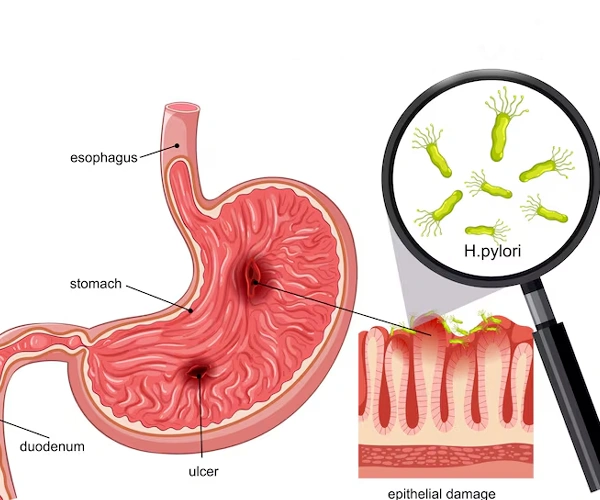
If you are searching for the best H. Pylori Infection Treatment in Janakpuri, accurate diagnosis and timely treatment are important to prevent long-term stomach problems. Helicobacter pylori (H. pylori) is a type of bacteria that infects the stomach lining and is one of the most common causes of chronic gastritis, stomach ulcers, and certain stomach-related complications.
Many people with H. pylori infection may not experience symptoms, while others may develop persistent acidity, stomach pain, bloating, indigestion, nausea, and ulcers. If left untreated, long-term infection can increase the risk of complications, including recurrent ulcers and stomach lining changes.
At Dr. Naresh Bansal's Gastro & Liver Clinic, patients receive comprehensive evaluation, advanced diagnostic testing, and personalized treatment plans for H. pylori infection, gastritis, ulcers, and other gastrointestinal conditions.
What is H. Pylori Infection?
H. Pylori Infection is a bacterial infection caused by Helicobacter pylori, a spiral-shaped bacteria that can survive in the acidic environment of the stomach.
This bacteria affects the protective lining of the stomach and may cause inflammation known as chronic gastritis.
H. pylori infection can contribute to:
- Gastritis (stomach inflammation)
- Peptic ulcers
- Duodenal ulcers
- Recurrent stomach discomfort
- Increased risk of certain stomach cancers in some individuals
Early detection and proper treatment can help prevent complications.
Causes and Risk Factors of H. Pylori Infection
H. pylori infection is usually acquired through contact with contaminated food, water, or infected individuals.
Possible ways of transmission include:
- Contaminated food or water
- Poor sanitation conditions
- Close contact with an infected person
- Sharing utensils with an infected person
Risk factors include:
- Living in crowded conditions
- Lack of access to clean water
- Family history of H. pylori infection
- Previous history of stomach ulcers
- Long-term stomach inflammation
Symptoms of H. Pylori Infection
Many people may have no symptoms. When symptoms occur, they may include:
- Burning pain in the upper abdomen
- Stomach discomfort
- Bloating
- Frequent burping
- Nausea
- Loss of appetite
- Feeling full quickly
- Indigestion
- Acid reflux symptoms
- Unexplained weight loss
Symptoms may become more noticeable when ulcers develop due to the infection.
Complications of H. Pylori Infection
Untreated H. pylori infection may lead to:
Peptic Ulcers
The bacteria can damage the stomach lining and contribute to ulcer formation.
Gastritis
Chronic inflammation of the stomach lining may occur.
Gastrointestinal Bleeding
Ulcers caused by H. pylori may bleed in some cases.
Increased Risk of Gastric Cancer
Long-term infection may increase the risk of certain stomach cancers.
Recurrent Digestive Problems
Persistent infection may cause ongoing stomach discomfort and digestive symptoms.
How is H. Pylori Infection Diagnosed?
Diagnosis helps confirm the presence of bacteria and determine appropriate treatment.
Urea Breath Test
A non-invasive test that detects active H. pylori infection by measuring changes after consuming a special solution.
Stool Antigen Test
Detects H. pylori proteins in stool samples.
Blood Antibody Test
May detect previous exposure to H. pylori, although it may not always confirm active infection.
Upper GI Endoscopy
Endoscopy may be recommended for patients with warning symptoms or persistent problems.
During endoscopy:
- The stomach lining is examined
- Biopsy samples may be collected
- Tests can confirm H. pylori infection
Biopsy-Based Tests
Stomach tissue samples may be tested using:
- Rapid urease test
- Histology examination
- Culture in selected cases
How is H. Pylori Infection Treated?
Treatment aims to eliminate the bacteria and heal stomach inflammation.
Triple Therapy
Traditional treatment may include:
- Acid-suppressing medication (PPI)
- Two antibiotics
Quadruple Therapy
In some cases, doctors may recommend:
- Acid-suppressing medication
- Multiple antibiotics
- Bismuth-containing medication
The exact treatment depends on antibiotic resistance patterns, previous treatment history, and individual health conditions.
Lifestyle Support
Patients may be advised to:
- Avoid smoking
- Limit alcohol intake
- Avoid foods that worsen symptoms
- Maintain healthy eating habits
- Complete the full medication course
Treatment Procedure
Step 1 – Initial Consultation
A detailed discussion about symptoms, medical history, digestive problems, and previous treatments.
Step 2 – Diagnostic Testing
Appropriate tests such as breath test, stool test, endoscopy, or biopsy may be performed.
Step 3 – Treatment Planning
A personalized antibiotic and acid-control treatment plan is prepared.
Step 4 – Medication Course
The prescribed medicines should be taken completely to improve eradication success.
Step 5 – Follow-Up Testing
A repeat test may be advised after treatment to confirm that the infection has been successfully cleared.
Benefits of Early H. Pylori Infection Treatment
Seeking timely H. Pylori Infection Treatment in Janakpuri provides several benefits:
- Relief from stomach discomfort
- Healing of gastritis and ulcers
- Reduced risk of ulcer recurrence
- Prevention of complications
- Improved digestion
- Reduced acid-related symptoms
- Better stomach health
- Lower risk of long-term stomach problems
- Improved quality of life
Why Choose Dr. Naresh Bansal?
Dr. Naresh Bansal is an experienced Gastroenterologist specializing in digestive disorders, stomach diseases, liver conditions, and advanced endoscopic procedures.
Patients choose Dr. Naresh Bansal because of:
- Extensive experience in gastroenterology
- Expertise in diagnosing stomach infections and digestive disorders
- Advanced diagnostic facilities
- Experience with endoscopic evaluation
- Personalized treatment approach
- Evidence-based medical management
- Focus on accurate diagnosis and effective treatment
- Patient-centered care
- Long-term follow-up support
- Comprehensive gastroenterology services in Janakpuri
Frequently Asked Questions (FAQs)
1. What is H. pylori infection?
H. pylori infection is a bacterial infection of the stomach lining that can cause gastritis, ulcers, and other stomach-related problems.
2. How does H. pylori spread?
It can spread through contaminated food, water, and close contact with an infected person.
3. Can H. pylori infection be cured?
Yes. With appropriate antibiotic-based treatment, H. pylori infection can often be successfully eliminated.
4. Is endoscopy required for H. pylori infection?
Not always. Many cases can be diagnosed with non-invasive tests. Endoscopy may be recommended when symptoms are persistent or warning signs are present.
5. Can H. pylori infection come back after treatment?
Recurrence is possible but uncommon after successful eradication. Follow-up testing may confirm whether treatment has worked.

Dr Naresh Bansal.All Rights Reserved © 2026