drnbansal@ymail.com
Phone : +918447542860
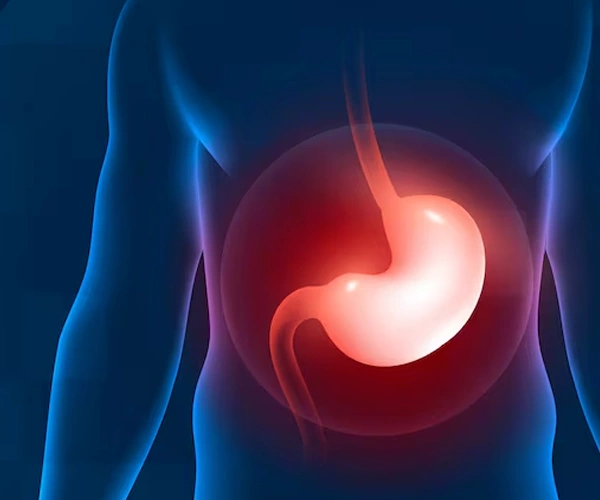
If you are searching for the best Gastric Cancer Treatment in Janakpuri, early diagnosis and expert medical care are essential for effective management of stomach cancer. Gastric cancer, also known as stomach cancer, is a condition where abnormal cells grow uncontrollably in the lining of the stomach. It can affect digestion, nutrition, and overall health if not diagnosed and treated at the right time.
In the early stages, gastric cancer may cause mild symptoms that can be mistaken for common digestive problems such as acidity, indigestion, or gastritis. Advanced diagnostic methods, including upper gastrointestinal endoscopy, biopsy, and imaging tests, help identify the disease accurately and guide appropriate treatment.
At Dr. Naresh Bansal's Gastro & Liver Clinic, patients receive comprehensive evaluation for stomach-related disorders, advanced diagnostic support, and personalized treatment planning for gastric cancer and other gastrointestinal conditions.
What is Gastric Cancer?
Gastric Cancer is a malignant tumor that develops in the lining of the stomach. The stomach is an important digestive organ that stores food, breaks it down, and helps in nutrient absorption.
The most common type of gastric cancer is:
Gastric Adenocarcinoma
This develops from the glandular cells lining the stomach and accounts for the majority of stomach cancer cases.
Other less common types include:
- Gastrointestinal stromal tumors (GIST)
- Lymphomas of the stomach
- Neuroendocrine tumors
The location, size, and stage of gastric cancer determine the treatment approach.
Causes and Risk Factors of Gastric Cancer
Gastric cancer develops due to changes in stomach cells that cause uncontrolled growth. Several factors may increase the risk.
Common risk factors include:
- Infection with Helicobacter pylori (H. pylori)
- Chronic gastritis
- Smoking
- Excessive alcohol consumption
- Family history of stomach cancer
- Genetic factors
- Long-term stomach inflammation
- High intake of smoked or preserved foods
- Obesity
- Previous stomach surgery
- Increasing age
Early evaluation is important, especially for individuals with persistent digestive symptoms or increased risk factors.
Symptoms of Gastric Cancer
Symptoms may vary depending on the stage of disease.
Common symptoms include:
- Persistent indigestion
- Upper abdominal discomfort
- Loss of appetite
- Feeling full after eating small amounts
- Unexplained weight loss
- Nausea and vomiting
- Difficulty swallowing
- Weakness and fatigue
- Blood in stool
- Vomiting blood
- Anemia due to hidden bleeding
Persistent symptoms should be evaluated by a gastroenterology specialist.
How is Gastric Cancer Diagnosed?
Accurate diagnosis helps determine the type and stage of stomach cancer.
Upper GI Endoscopy
Endoscopy is the primary diagnostic procedure for gastric cancer.
During endoscopy:
- A flexible camera is used to examine the stomach lining
- Suspicious areas are identified
- Biopsy samples are collected for confirmation
Biopsy
A biopsy helps determine:
- Presence of cancer cells
- Type of tumor
- Tumor characteristics
Imaging Tests
Contrast-Enhanced CT Scan
Helps evaluate:
- Tumor size
- Spread to nearby organs
- Lymph node involvement
MRI Scan
May be used in selected cases for further evaluation.
PET-CT Scan
May help detect cancer spread in certain situations.
Blood Tests
May include:
- Complete Blood Count (CBC)
- Liver Function Tests (LFT)
- Kidney Function Tests
- Nutritional assessment
How is Gastric Cancer Treated?
Treatment depends on:
- Stage of cancer
- Tumor location
- Overall health
- Spread of disease
Surgical Treatment
Surgery is the main treatment option when gastric cancer is localized.
Types of surgery may include:
Partial Gastrectomy
Removal of the affected part of the stomach.
Total Gastrectomy
Removal of the entire stomach in selected advanced cases.
Lymph Node Removal
Nearby lymph nodes may be removed to assess cancer spread.
Chemotherapy
Chemotherapy may be recommended:
- Before surgery to reduce tumor size
- After surgery to reduce recurrence risk
- For advanced disease management
Radiation Therapy
Radiation therapy may be used in selected cases.
Targeted Therapy and Immunotherapy
Some patients may benefit from advanced therapies based on tumor characteristics and biomarker testing.
Supportive Care
Supportive treatment may include:
- Nutritional support
- Pain management
- Management of digestive symptoms
- Vitamin supplementation
Treatment Procedure
Step 1 – Initial Consultation
A detailed review of symptoms, medical history, family history, and previous investigations.
Step 2 – Diagnostic Evaluation
Upper GI endoscopy, biopsy, imaging tests, and blood investigations help confirm diagnosis.
Step 3 – Cancer Staging
The extent of disease is evaluated to determine the most suitable treatment plan.
Step 4 – Personalized Treatment Planning
A customized approach is developed based on cancer stage and patient condition.
Step 5 – Follow-Up Monitoring
Regular follow-up helps monitor recovery, treatment response, and overall health.
Benefits of Early Gastric Cancer Treatment
Seeking timely Gastric Cancer Treatment in Janakpuri provides several benefits:
- Early detection of stomach cancer
- Accurate diagnosis and staging
- Better treatment planning
- Improved symptom control
- Prevention of disease progression
- Better nutritional management
- Increased treatment options
- Improved quality of life
- Long-term monitoring and support
Why Choose Dr. Naresh Bansal?
Dr. Naresh Bansal is an experienced Gastroenterologist specializing in digestive disorders, gastrointestinal cancers, liver diseases, and advanced endoscopic procedures.
Patients choose Dr. Naresh Bansal because of:
- Extensive experience in gastroenterology
- Expertise in evaluation of stomach and digestive disorders
- Advanced endoscopic diagnosis including upper GI endoscopy
- Experience in biopsy-based diagnosis
- Comprehensive cancer evaluation
- Personalized treatment guidance
- Evidence-based medical approach
- Focus on early diagnosis and prevention
- Patient-centered care
- Long-term follow-up support
Frequently Asked Questions (FAQs)
1. What is gastric cancer?
Gastric cancer is a cancer that develops in the lining of the stomach due to abnormal and uncontrolled cell growth.
2. What are the early symptoms of stomach cancer?
Early symptoms may include indigestion, stomach discomfort, reduced appetite, bloating, and feeling full quickly after meals.
3. How is gastric cancer diagnosed?
Gastric cancer is mainly diagnosed through upper GI endoscopy with biopsy, along with imaging tests to determine the stage.
4. Can gastric cancer be treated successfully?
Treatment outcomes depend on the stage and type of cancer. Early diagnosis generally provides more treatment options.
5. What is the role of endoscopy in gastric cancer?
Endoscopy allows doctors to directly examine the stomach lining and collect biopsy samples for accurate diagnosis.

Dr Naresh Bansal.All Rights Reserved © 2026