drnbansal@ymail.com
Phone : +918447542860
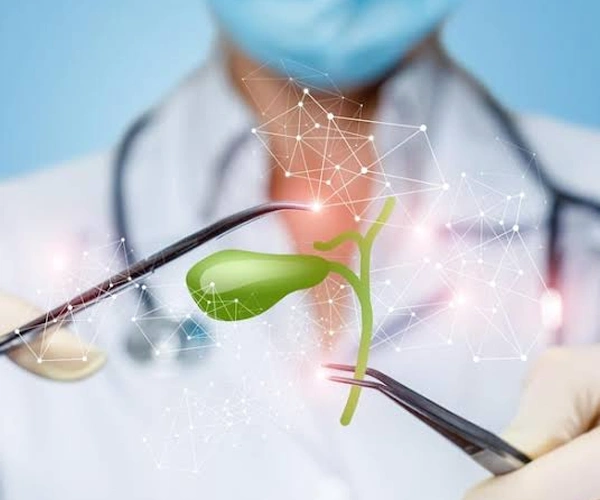
If you are searching for the best Gall Bladder Cancer Treatment in Janakpuri, early diagnosis and expert medical evaluation are essential for effective management of this serious hepatobiliary condition. Gallbladder cancer is a rare type of cancer that develops in the cells lining the gallbladder, a small organ located beneath the liver that stores and releases bile to help digest fats.
Gallbladder cancer is often difficult to detect in its early stages because symptoms may be mild or similar to other gallbladder problems such as gallstones or inflammation. Timely evaluation, advanced imaging, and expert guidance can help determine the stage of disease and the most appropriate treatment approach.
At Dr. Naresh Bansal's Gastro & Liver Clinic, patients receive comprehensive evaluation of gallbladder and bile duct disorders with advanced diagnostic support and personalized treatment planning for gallbladder cancer and related conditions.
What is Gall Bladder Cancer?
Gall Bladder Cancer is a malignant growth that develops in the tissues of the gallbladder. The gallbladder is a small pear-shaped organ located below the liver that stores bile produced by the liver.
Bile helps the body digest fats. When abnormal cells grow uncontrollably in the gallbladder lining, they can form a tumor that may invade nearby organs or spread to other parts of the body.
The most common type of gallbladder cancer is:
Adenocarcinoma
This cancer develops from the glandular cells lining the gallbladder and accounts for the majority of gallbladder cancer cases.
Other rare types may include:
- Squamous cell carcinoma
- Neuroendocrine tumors
- Other uncommon gallbladder tumors
Early diagnosis plays an important role in improving treatment possibilities.
Causes and Risk Factors of Gall Bladder Cancer
The exact cause of gallbladder cancer is not always known. However, certain conditions may increase the risk.
Risk factors include:
- Long-standing gallstones
- Chronic gallbladder inflammation (cholecystitis)
- Gallbladder polyps, especially larger polyps
- Porcelain gallbladder
- Bile duct abnormalities
- Family history of gallbladder cancer
- Increasing age
- Female gender
- Obesity
- Smoking
- Certain genetic conditions
Having gallstones does not mean a person will develop cancer, but persistent gallbladder problems should be evaluated by a healthcare professional.
Symptoms of Gall Bladder Cancer
Early gallbladder cancer may not cause noticeable symptoms. As the disease progresses, symptoms may include:
- Pain in the upper right abdomen
- Abdominal discomfort
- Yellowing of skin and eyes (jaundice)
- Loss of appetite
- Unexplained weight loss
- Nausea and vomiting
- Fever
- Weakness and fatigue
- Abdominal swelling
- Itching of skin
Symptoms such as persistent jaundice, severe abdominal pain, or unexplained weight loss require medical evaluation.
How is Gall Bladder Cancer Diagnosed?
Accurate diagnosis helps determine the stage of cancer and the most suitable treatment options.
Blood Tests
Doctors may recommend:
- Liver Function Tests (LFT)
- Bilirubin levels
- Complete Blood Count (CBC)
- Kidney Function Tests
- Tumor markers such as CA 19-9 and CEA when appropriate
Imaging Tests
Ultrasound Abdomen
Often the first imaging test used to evaluate gallbladder abnormalities.
Contrast-Enhanced CT Scan
Provides detailed information about:
- Tumor size
- Spread to nearby organs
- Lymph node involvement
MRI / MRCP
Helps evaluate bile ducts, liver involvement, and tumor characteristics.
PET-CT Scan
May be recommended in selected cases for evaluating cancer spread.
Endoscopic Procedures
Endoscopic Ultrasound (EUS)
EUS provides detailed images of the gallbladder, bile ducts, and surrounding structures and may help in tissue evaluation.
ERCP (Endoscopic Retrograde Cholangiopancreatography)
ERCP may be used when bile duct blockage occurs and can help with:
- Bile drainage
- Stent placement
- Evaluation of bile duct involvement
Biopsy
A tissue sample may be collected when required to confirm the diagnosis.
How is Gall Bladder Cancer Treated?
Treatment depends on:
- Stage of cancer
- Tumor location
- Spread of disease
- Overall health condition
Surgical Treatment
Surgery provides the best chance of long-term control when gallbladder cancer is detected early and can be removed.
Surgical options may include:
Simple Cholecystectomy
Removal of the gallbladder, usually performed for very early-stage disease.
Extended Cholecystectomy
Removal of the gallbladder along with nearby liver tissue and lymph nodes when required.
Advanced Hepatobiliary Surgery
For selected cases involving nearby structures.
Bile Duct Drainage and Stenting
When cancer blocks bile flow, procedures may be performed to relieve obstruction.
ERCP-guided stenting may help:
- Reduce jaundice
- Improve bile drainage
- Improve liver function
- Relieve symptoms
Chemotherapy
Chemotherapy may be recommended:
- After surgery to reduce recurrence risk
- For advanced disease
- To control tumor growth
Radiation Therapy
May be used in selected patients depending on cancer characteristics.
Supportive Care
Supportive treatment may include:
- Pain management
- Nutritional support
- Management of jaundice
- Symptom control
Treatment Procedure
Step 1 – Initial Consultation
A detailed evaluation of symptoms, medical history, gallbladder problems, and previous reports.
Step 2 – Diagnostic Assessment
Blood tests, ultrasound, CT scan, MRI/MRCP, EUS, ERCP, or biopsy may be performed.
Step 3 – Cancer Staging
The tumor size, location, lymph node involvement, and spread are assessed.
Step 4 – Personalized Treatment Planning
A customized treatment strategy is developed based on the stage and patient's health condition.
Step 5 – Follow-Up Care
Regular monitoring helps evaluate treatment response and manage long-term health.
Benefits of Early Gall Bladder Cancer Treatment
Seeking timely Gall Bladder Cancer Treatment in Janakpuri provides several benefits:
- Early detection of disease progression
- Accurate cancer staging
- Better treatment planning
- Relief from symptoms
- Prevention of bile duct complications
- Improved management of jaundice
- Better quality of life
- Increased treatment options
- Effective monitoring of disease progression
Why Choose Dr. Naresh Bansal?
Dr. Naresh Bansal is an experienced Gastroenterologist specializing in digestive system, liver, bile duct, and pancreatic disorders.
Patients choose Dr. Naresh Bansal because of:
- Extensive experience in hepatobiliary disorders
- Expertise in evaluating gallbladder and bile duct conditions
- Advanced diagnostic procedures including ERCP and EUS
- Comprehensive assessment of complex digestive diseases
- Personalized treatment recommendations
- Focus on early diagnosis and appropriate management
- Evidence-based medical care
- Patient-focused approach
- Long-term follow-up support
- Comprehensive gastroenterology services in Janakpuri
Frequently Asked Questions (FAQs)
1. What is gallbladder cancer?
Gallbladder cancer is a malignant tumor that develops in the tissues of the gallbladder, the organ responsible for storing bile.
2. What are the early signs of gallbladder cancer?
Early symptoms may be absent. Possible signs include abdominal pain, jaundice, loss of appetite, weight loss, and digestive problems.
3. Are gallstones related to gallbladder cancer?
Long-standing gallstones and chronic gallbladder inflammation may increase the risk of gallbladder cancer, but most people with gallstones do not develop cancer.
4. Can gallbladder cancer be treated successfully?
Treatment outcomes depend on the stage of cancer. Early detection may provide more treatment options, including surgery.
5. What is the role of ERCP in gallbladder cancer?
ERCP can help manage bile duct blockage caused by cancer by improving bile drainage and placing stents when required.

Dr Naresh Bansal.All Rights Reserved © 2026