drnbansal@ymail.com
Phone : +918447542860
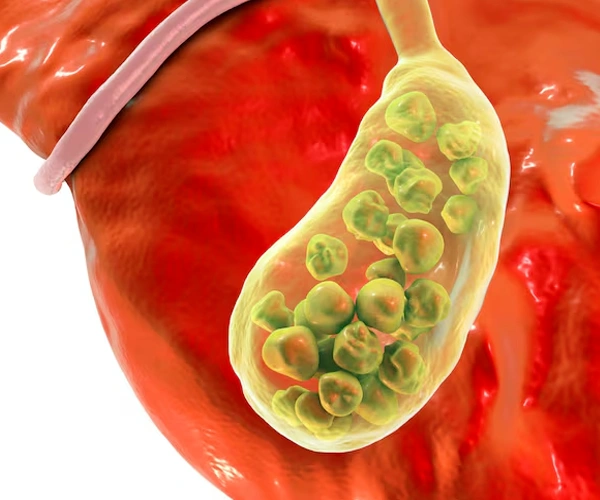
If you are searching for the best Common Bile Duct Stone Treatment in Janakpuri, timely diagnosis and expert gastroenterology care are essential to prevent complications and restore normal bile flow. Common Bile Duct Stones, also known as Choledocholithiasis, are stones that develop or move into the common bile duct, the tube that carries bile from the liver and gallbladder to the small intestine.
These stones can block the normal flow of bile and may lead to severe abdominal pain, jaundice, infection of the bile ducts, and inflammation of the pancreas. Early diagnosis and appropriate treatment can prevent serious complications.
At Dr. Naresh Bansal's Gastro & Liver Clinic, patients receive comprehensive evaluation and advanced treatment options, including minimally invasive endoscopic procedures such as ERCP for the removal of common bile duct stones.
What is a Common Bile Duct Stone?
A Common Bile Duct Stone (CBD Stone) is a hard deposit that forms inside or travels into the common bile duct. The bile duct system helps transport bile produced by the liver to the intestine, where it assists in digestion, especially fat absorption.
CBD stones are usually made up of:
- Cholesterol
- Bilirubin pigments
- Calcium salts
- Other components of bile
Common bile duct stones can originate from the gallbladder and move into the bile duct or may rarely form directly within the bile ducts.
If the stone blocks bile flow, it can cause pressure buildup and inflammation.
Causes of Common Bile Duct Stones
Common bile duct stones may occur due to several factors.
Gallstones Moving into the Bile Duct
The most common cause is migration of gallstones from the gallbladder into the common bile duct.
Bile Duct Narrowing
Strictures or narrowing of the bile duct can affect normal bile drainage.
Bile Infection
Infections may contribute to stone formation.
Previous Gallbladder Problems
A history of gallstones increases the risk of CBD stones.
Age-Related Changes
The risk of bile duct stones increases with age.
Other Risk Factors
- Obesity
- Rapid weight loss
- Liver disease
- Certain blood disorders
- Bile duct abnormalities
Symptoms of Common Bile Duct Stones
Some patients may have no symptoms, while others may experience significant discomfort.
Common symptoms include:
- Severe upper abdominal pain
- Pain after meals
- Pain radiating to the back or shoulder
- Nausea and vomiting
- Yellowing of skin and eyes (jaundice)
- Dark urine
- Pale stools
- Fever and chills
- Itching of skin
A blocked bile duct can lead to serious complications and requires prompt medical attention.
Complications of Common Bile Duct Stones
Untreated CBD stones may cause:
Obstructive Jaundice
Blocked bile flow causes bilirubin buildup, resulting in yellowing of the skin and eyes.
Cholangitis
A bacterial infection of the bile ducts that can become a medical emergency.
Pancreatitis
CBD stones can block the pancreatic duct and trigger inflammation of the pancreas.
Liver Problems
Long-term blockage may affect liver function.
Early diagnosis and treatment help prevent these complications.
How are Common Bile Duct Stones Diagnosed?
Diagnosis involves identifying the presence, size, and location of stones.
Blood Tests
Doctors may recommend:
- Liver Function Tests (LFT)
- Bilirubin levels
- Complete Blood Count (CBC)
- Pancreatic enzymes (Amylase and Lipase)
Imaging Tests
Ultrasound Abdomen
A commonly used test to detect gallstones and bile duct enlargement.
MRCP (Magnetic Resonance Cholangiopancreatography)
A non-invasive imaging test that provides detailed pictures of bile ducts and helps identify stones.
Endoscopic Ultrasound (EUS)
EUS provides detailed images of the bile duct and helps detect small stones that may not be visible on regular imaging.
ERCP (Endoscopic Retrograde Cholangiopancreatography)
ERCP is both a diagnostic and treatment procedure that allows doctors to:
- Visualize the bile duct
- Remove stones
- Place stents if required
How are Common Bile Duct Stones Treated?
Treatment depends on the size, number, location of stones, and presence of complications.
ERCP Stone Removal
ERCP is the most common minimally invasive treatment for common bile duct stones.
During ERCP:
- An endoscope is passed through the mouth into the small intestine
- The bile duct opening is accessed
- Special instruments are used to remove stones
- A stent may be placed if needed to improve bile drainage
Benefits of ERCP include:
- No external incision
- Faster recovery
- Effective stone removal
- Reduced risk of complications
Surgery
Surgery may be required in selected cases, especially when associated with gallbladder stones or when endoscopic removal is not possible.
Bile Duct Stenting
A temporary or permanent stent may be placed when bile drainage needs support.
Treatment Procedure
Step 1 – Initial Consultation
A detailed evaluation of symptoms, medical history, previous gallstone problems, and reports.
Step 2 – Diagnostic Evaluation
Blood tests, ultrasound, MRCP, EUS, or other imaging studies help confirm the diagnosis.
Step 3 – Treatment Planning
The size, number, and location of stones are assessed.
Step 4 – ERCP Stone Removal
If required, ERCP is performed to remove stones and restore normal bile flow.
Step 5 – Follow-Up Care
Regular follow-up helps prevent recurrence and manage associated gallbladder or bile duct conditions.
Benefits of Early Common Bile Duct Stone Treatment
Seeking timely Common Bile Duct Stone Treatment in Janakpuri provides several benefits:
- Relief from abdominal pain
- Restoration of normal bile flow
- Prevention of jaundice complications
- Reduced risk of bile duct infection
- Prevention of pancreatitis
- Improved digestion
- Faster recovery with minimally invasive treatment
- Reduced need for emergency procedures
- Better long-term digestive health
Why Choose Dr. Naresh Bansal?
Dr. Naresh Bansal is an experienced Gastroenterologist specializing in liver, bile duct, pancreatic, and digestive disorders.
Patients choose Dr. Naresh Bansal because of:
- Extensive experience in gastroenterology
- Expertise in ERCP and advanced endoscopic procedures
- Accurate diagnosis of bile duct disorders
- Comprehensive evaluation and treatment planning
- Minimally invasive treatment approach
- Personalized patient care
- Evidence-based medical management
- Focus on preventing complications
- Long-term follow-up support
- Comprehensive gastroenterology services in Janakpuri
Frequently Asked Questions (FAQs)
1. What is a common bile duct stone?
A common bile duct stone is a stone located in the bile duct that carries bile from the liver and gallbladder to the intestine.
2. Can common bile duct stones pass naturally?
Small stones may occasionally pass naturally, but many require treatment, especially if they cause blockage, jaundice, or infection.
3. Is ERCP painful for common bile duct stone removal?
ERCP is performed under sedation or anesthesia, making the procedure comfortable for most patients.
4. What happens if CBD stones are left untreated?
Untreated CBD stones can cause jaundice, bile duct infection, pancreatitis, and liver-related complications.
5. Can common bile duct stones come back after treatment?
Recurrence is possible, especially if gallbladder stones remain or underlying bile duct problems continue. Regular follow-up helps reduce risks.

Dr Naresh Bansal.All Rights Reserved © 2026