drnbansal@ymail.com
Phone : +918447542860
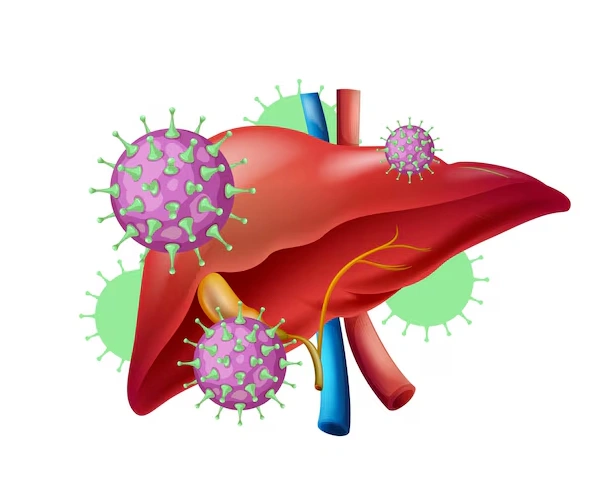
If you are searching for the best Chronic Hepatitis C Treatment in Janakpuri, early diagnosis and timely medical care are crucial to prevent serious liver complications. Chronic Hepatitis C is a long-term viral infection caused by the Hepatitis C Virus (HCV), which primarily affects the liver. Many individuals remain unaware of the infection because it often progresses silently for years without causing noticeable symptoms. If left untreated, Chronic Hepatitis C can lead to liver fibrosis, cirrhosis, liver failure, and even liver cancer.
Fortunately, modern antiviral medications can cure most cases of Hepatitis C with excellent success rates when treatment is started at the right time. At Dr. Naresh Bansal's Gastro & Liver Clinic, patients receive comprehensive evaluation, advanced diagnostic testing, and personalized treatment plans based on the latest international guidelines. The goal is to eliminate the virus, protect liver health, and prevent long-term complications.
What is Chronic Hepatitis C?
Chronic Hepatitis C is a viral liver infection that persists for more than six months after initial exposure to the Hepatitis C Virus (HCV). While some people naturally clear the virus, many develop chronic infection, allowing the virus to continue damaging liver cells over time.
Persistent inflammation causes gradual scarring of the liver (fibrosis). Without appropriate treatment, fibrosis may progress to cirrhosis, liver failure, portal hypertension, and hepatocellular carcinoma (liver cancer).
Because the disease often has no symptoms in its early stages, routine screening is recommended for individuals with known risk factors or abnormal liver function tests.
Causes of Chronic Hepatitis C
Hepatitis C spreads primarily through contact with infected blood. It is not spread by casual contact such as hugging, shaking hands, sharing meals, coughing, or sneezing.
Common causes of transmission include:
- Sharing needles or syringes
- Blood transfusions or organ transplants performed before routine HCV screening
- Needle-stick injuries among healthcare workers
- Tattooing or body piercing with unsterilized equipment
- Sharing razors or toothbrushes contaminated with blood
- Birth from an infected mother (less common)
- Unprotected sexual contact in certain high-risk situations
Risk factors include:
- History of intravenous drug use
- Previous blood transfusions before routine screening
- Long-term dialysis
- HIV infection
- Healthcare workers exposed to blood
- People with multiple sexual partners
- Family history of viral hepatitis
Symptoms of Chronic Hepatitis C
Many patients do not experience symptoms until significant liver damage has occurred.
Common symptoms include:
- Persistent fatigue
- General weakness
- Loss of appetite
- Nausea
- Abdominal discomfort, especially in the upper right side
- Joint and muscle pain
- Dark-colored urine
- Pale stools
- Yellowing of the skin and eyes (Jaundice)
- Unexplained weight loss
- Itchy skin
- Difficulty concentrating
Advanced liver disease may cause:
- Swelling of the abdomen (Ascites)
- Swelling of the legs
- Internal bleeding
- Confusion due to hepatic encephalopathy
- Liver cirrhosis
How is Chronic Hepatitis C Diagnosed?
Accurate diagnosis helps determine the stage of liver disease and guides the most effective treatment.
Your doctor may recommend:
Blood Tests
- Anti-HCV Antibody Test
- HCV RNA (PCR) Test
- Viral Load Testing
- Liver Function Tests (LFT)
- Complete Blood Count (CBC)
- Kidney Function Tests
Liver Assessment
- FibroScan to assess liver fibrosis
- Ultrasound Abdomen
- CT Scan or MRI if indicated
- Liver biopsy (only in selected cases)
Additional Evaluation
- Hepatitis B screening
- HIV testing (when appropriate)
- Liver cancer screening in patients with cirrhosis
Early diagnosis allows treatment before irreversible liver damage develops.
How to Treat Chronic Hepatitis C?
The treatment of Chronic Hepatitis C has improved significantly with the introduction of Direct-Acting Antiviral (DAA) medications. These medicines can eliminate the virus in most patients within 8 to 12 weeks.
Direct-Acting Antiviral (DAA) Therapy
Depending on the viral genotype and liver condition, treatment may include:
- Sofosbuvir-based combinations
- Velpatasvir combinations
- Glecaprevir/Pibrentasvir combinations
- Other guideline-recommended antiviral regimens
These medications are highly effective, well tolerated, and have cure rates exceeding 95% in many patients.
Lifestyle Recommendations
To support liver recovery, patients should:
- Completely avoid alcohol
- Eat a balanced and nutritious diet
- Maintain a healthy weight
- Exercise regularly
- Avoid unnecessary medications that may affect the liver
- Get vaccinated against Hepatitis A and Hepatitis B if advised
Monitoring During Treatment
Patients undergo regular follow-up with:
- Liver Function Tests
- Viral load assessment
- FibroScan when needed
- Ultrasound for liver monitoring
- Assessment of treatment response
Management of Advanced Liver Disease
Patients with cirrhosis require continued surveillance for complications, including portal hypertension, varices, ascites, and liver cancer, even after successful treatment.
Treatment Procedure
Step 1 – Initial Consultation
A detailed review of symptoms, medical history, previous blood transfusions, medications, and possible exposure to the virus.
Step 2 – Diagnostic Testing
Blood tests, HCV RNA testing, liver function assessment, FibroScan, and imaging studies help confirm the diagnosis and evaluate liver health.
Step 3 – Disease Staging
The severity of liver fibrosis or cirrhosis is determined before starting treatment.
Step 4 – Personalized Treatment Plan
An individualized antiviral treatment plan is developed according to the patient's viral genotype, liver condition, and overall health.
Step 5 – Follow-Up and Monitoring
Regular follow-up visits ensure successful viral clearance, monitor liver recovery, and identify any long-term complications.
Benefits of Early Treatment
Seeking timely Chronic Hepatitis C Treatment in Janakpuri offers several important benefits:
- Eliminates the Hepatitis C virus in most patients
- Prevents progression to liver cirrhosis
- Reduces liver inflammation
- Lowers the risk of liver cancer
- Improves liver function
- Prevents liver failure
- Enhances energy levels and overall well-being
- Reduces the risk of transmitting the infection to others
- Improves long-term quality of life
Why Choose Dr. Naresh Bansal?
Dr. Naresh Bansal is an experienced Gastroenterologist and Hepatologist specializing in the diagnosis and treatment of liver diseases, including Chronic Hepatitis C.
Why patients trust Dr. Naresh Bansal:
- Extensive experience in managing viral hepatitis
- Expertise in advanced liver disease treatment
- Personalized treatment plans based on current international guidelines
- Comprehensive liver evaluation using advanced diagnostic techniques
- FibroScan for non-invasive liver fibrosis assessment
- Regular monitoring to ensure complete viral clearance
- Focus on preventing cirrhosis and liver cancer
- Compassionate, patient-centered care
- Modern diagnostic facilities
- Conveniently located clinic in Janakpuri
Frequently Asked Questions (FAQs)
1. Can Chronic Hepatitis C be cured?
Yes. With modern Direct-Acting Antiviral (DAA) medications, more than 95% of patients can be completely cured when treatment is taken as prescribed.
2. How long does Hepatitis C treatment take?
Most patients complete treatment in 8 to 12 weeks, although the duration may vary depending on the severity of liver disease and the specific antiviral regimen.
3. Is Chronic Hepatitis C contagious?
Yes. Hepatitis C spreads through infected blood. It is not transmitted by hugging, sharing food, shaking hands, coughing, or casual social contact.
4. Can Hepatitis C return after successful treatment?
Once a patient achieves a sustained virologic response (SVR), the infection is considered cured. However, reinfection is possible if the person is exposed to the virus again.
5. Why is regular follow-up important after treatment?
Patients with advanced liver fibrosis or cirrhosis should continue regular liver monitoring even after the virus is eliminated because they may still have an increased risk of liver-related complications.

Dr Naresh Bansal.All Rights Reserved © 2026