drnbansal@ymail.com
Phone : +918447542860
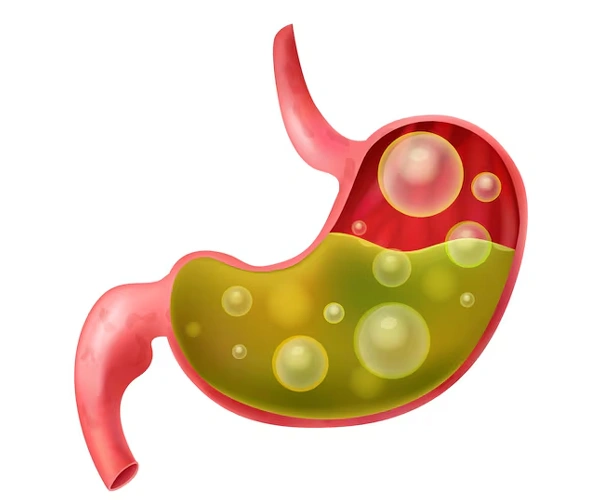
If you are searching for the best Ascites Treatment in Janakpuri, timely diagnosis and expert medical care are essential for managing this condition effectively. Ascites is the abnormal accumulation of fluid inside the abdominal cavity, commonly associated with advanced liver disease, particularly cirrhosis. It can also occur due to heart failure, kidney disease, infections, or certain cancers. If left untreated, ascites can lead to discomfort, breathing difficulties, infections, and other serious complications.
At Dr. Naresh Bansal's Gastro & Liver Clinic, patients receive comprehensive evaluation, accurate diagnosis, and personalized treatment plans designed to identify the underlying cause of ascites and provide long-term relief. The goal is not only to remove excess fluid but also to treat the condition responsible for its development, helping improve overall health and quality of life.
What is Ascites?
Ascites is the excessive buildup of fluid within the peritoneal cavity, the space surrounding the abdominal organs. Under normal circumstances, only a small amount of fluid is present to lubricate the abdominal organs. However, certain diseases disturb the body's fluid balance, causing large volumes of fluid to accumulate.
The most common cause of ascites is liver cirrhosis, where scarring of the liver increases pressure within the portal vein (portal hypertension) and reduces the production of proteins such as albumin. These changes allow fluid to leak into the abdominal cavity.
Other causes of ascites include:
- Liver cirrhosis
- Alcoholic liver disease
- Chronic hepatitis B and hepatitis C
- Fatty liver disease progressing to cirrhosis
- Heart failure
- Kidney disorders
- Pancreatic diseases
- Tuberculosis affecting the abdomen
- Ovarian, liver, pancreatic, stomach, or colon cancers
- Severe malnutrition
The amount of fluid may vary from mild to several liters, leading to progressive abdominal swelling.
Symptoms of Ascites
Symptoms usually depend on the amount of fluid accumulated. Mild ascites may not cause noticeable discomfort, while moderate to severe ascites can significantly affect daily life.
Common symptoms include:
- Progressive abdominal swelling
- Rapid increase in waist size
- Feeling of heaviness in the abdomen
- Bloating
- Abdominal discomfort or pain
- Difficulty breathing, especially while lying down
- Early fullness after eating
- Loss of appetite
- Weight gain due to fluid accumulation
- Swelling in the legs and ankles
- Fatigue
- Difficulty walking or bending
Patients with advanced liver disease may also develop jaundice, confusion, muscle wasting, or gastrointestinal bleeding.
Causes of Ascites
Ascites develops when pressure inside the blood vessels supplying the liver increases and the body's ability to regulate fluid is impaired.
Major causes include:
Liver Cirrhosis
The leading cause of ascites worldwide.
Portal Hypertension
Increased pressure in the portal vein forces fluid into the abdominal cavity.
Low Blood Protein Levels
Reduced albumin production decreases the ability of blood vessels to retain fluid.
Heart Failure
Poor heart function causes fluid retention throughout the body.
Kidney Disease
Reduced kidney function can lead to excess fluid accumulation.
Cancer
Several abdominal cancers can produce malignant ascites.
Tuberculosis
Abdominal tuberculosis may cause inflammatory fluid collection.
Pancreatic Disorders
Leakage of pancreatic enzymes may lead to fluid accumulation.
How is Ascites Diagnosed?
Accurate diagnosis is essential because treatment depends on identifying the underlying cause.
Your evaluation may include:
- Detailed medical history
- Physical examination
- Liver Function Tests (LFT)
- Kidney Function Tests (KFT)
- Complete Blood Count (CBC)
- Serum Albumin levels
- Ultrasound of the abdomen
- FibroScan for liver assessment
- CT Scan or MRI if needed
- Diagnostic Paracentesis (fluid analysis)
- Ascitic fluid culture
- Cytology for cancer detection
- Viral hepatitis screening
A complete assessment helps determine whether the ascites is due to liver disease, infection, heart disease, kidney disease, or malignancy.
How to Treat Ascites?
Treatment focuses on relieving symptoms while addressing the underlying medical condition.
Lifestyle Modifications
- Complete restriction of alcohol
- Low-sodium diet
- Fluid restriction in selected patients
- Healthy nutrition
- Weight monitoring
Medications
Doctors may prescribe:
- Diuretics (water tablets)
- Albumin therapy
- Antibiotics if infection develops
- Medicines to control liver disease
- Treatment for hepatitis when indicated
Therapeutic Paracentesis
For patients with severe abdominal swelling, excess fluid can be safely removed through a minimally invasive procedure called paracentesis. This provides immediate relief from discomfort and breathing difficulty.
Advanced Liver Disease Management
Patients with cirrhosis may require:
- Regular monitoring
- Endoscopy for varices
- Management of portal hypertension
- Evaluation for liver transplantation in advanced cases
Every treatment plan is individualized based on the patient's condition and overall health.
Procedure for Ascites Management
Step 1 – Consultation
A detailed evaluation of symptoms, medical history, alcohol intake, liver disease history, and medications.
Step 2 – Diagnostic Tests
Blood investigations, ultrasound, FibroScan, and fluid analysis help identify the cause.
Step 3 – Personalized Treatment Plan
Treatment is customized according to the severity of ascites and the underlying disease.
Step 4 – Fluid Drainage (If Required)
Large-volume paracentesis is performed under sterile conditions to remove excess abdominal fluid safely.
Step 5 – Long-Term Follow-Up
Regular follow-up appointments help monitor liver function, prevent recurrence, and reduce complications.
Benefits of Early Ascites Treatment
Early medical intervention offers several advantages:
- Relief from abdominal swelling
- Improved breathing
- Reduced abdominal discomfort
- Better appetite
- Improved mobility
- Prevention of spontaneous bacterial peritonitis
- Reduced risk of kidney complications
- Better control of liver disease
- Improved quality of life
- Lower chances of repeated hospital admissions
Why Choose Dr. Naresh Bansal?
Dr. Naresh Bansal is an experienced Gastroenterologist and Liver Specialist committed to providing comprehensive care for liver diseases and gastrointestinal disorders.
Reasons patients trust Dr. Naresh Bansal include:
- Extensive experience in gastroenterology and hepatology
- Expertise in treating liver cirrhosis and ascites
- Comprehensive diagnostic evaluation
- Advanced liver disease assessment
- Personalized treatment plans
- Focus on treating the root cause rather than only symptoms
- Modern diagnostic facilities
- Compassionate patient-centered care
- Evidence-based treatment protocols
- Conveniently located clinic in Janakpuri
Frequently Asked Questions (FAQs)
1. What is the most common cause of ascites?
Liver cirrhosis is the most common cause of ascites. It leads to increased pressure in the portal vein and reduced liver function, causing fluid to accumulate in the abdomen.
2. Can ascites be cured permanently?
Ascites can often be effectively managed if the underlying cause is treated. In patients with liver cirrhosis, long-term management and regular follow-up are essential to prevent recurrence.
3. Is paracentesis a painful procedure?
Paracentesis is generally a safe and minimally invasive procedure performed under local anesthesia. Most patients experience only mild discomfort and obtain significant relief after excess fluid is removed.
4. When should I see a doctor for ascites?
You should consult a gastroenterologist if you notice persistent abdominal swelling, sudden weight gain, difficulty breathing, abdominal pain, or swelling in your legs, especially if you have a history of liver disease or heavy alcohol use.
5. Can lifestyle changes help manage ascites?
Yes. Following a low-sodium diet, avoiding alcohol, taking prescribed medications regularly, maintaining proper nutrition, and attending regular follow-up visits can significantly improve the management of ascites and reduce the risk of complications.

Dr Naresh Bansal.All Rights Reserved © 2026