drnbansal@ymail.com
Phone : +918447542860
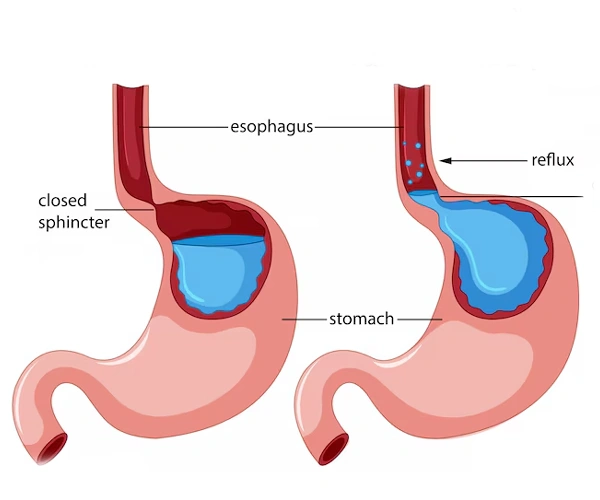
If you are searching for the best Achalasia Cardia Treatment in Janakpuri, timely diagnosis and expert gastroenterology care are essential for managing swallowing difficulties and esophageal disorders. Achalasia Cardia is a rare condition of the esophagus in which the lower esophageal sphincter (LES) fails to relax properly, making it difficult for food and liquids to pass from the esophagus into the stomach.
Patients with achalasia may experience difficulty swallowing, chest discomfort, regurgitation of food, and weight loss. Without proper treatment, the condition may affect nutrition, quality of life, and overall digestive health.
At Dr. Naresh Bansal's Gastro & Liver Clinic, patients receive comprehensive evaluation using advanced diagnostic techniques and personalized treatment options for achalasia cardia and other esophageal disorders.
What is Achalasia Cardia?
Achalasia Cardia is a disorder of the esophagus caused by impaired movement of the esophageal muscles and failure of the lower esophageal sphincter to relax normally.
Normally, when a person swallows:
- The esophageal muscles push food downward.
- The lower esophageal sphincter relaxes.
- Food enters the stomach for digestion.
In achalasia, the lower esophageal sphincter remains tight and does not open properly, causing food and liquids to collect in the esophagus.
This may lead to:
- Enlargement of the esophagus
- Difficulty swallowing
- Food regurgitation
- Digestive discomfort
Causes and Risk Factors of Achalasia Cardia
The exact cause of achalasia is not completely understood. It is believed to occur due to damage or loss of nerve cells that control esophageal movement.
Possible contributing factors include:
- Nerve degeneration affecting esophageal muscles
- Autoimmune responses
- Genetic factors in rare cases
- Certain infections in specific regions
Achalasia can occur at any age but is most commonly diagnosed in adults.
Types of Achalasia Cardia
Achalasia is classified into different types based on esophageal muscle patterns.
Type I Achalasia
- Minimal muscle contractions in the esophagus
- Commonly associated with significant swallowing difficulty
Type II Achalasia
- Increased pressure inside the esophagus
- Often responds well to treatment
Type III Achalasia
- Spastic contractions of the esophagus
- May require specialized treatment approaches
Accurate classification helps doctors select the most effective treatment.
Symptoms of Achalasia Cardia
Symptoms may develop gradually and become worse over time.
Common symptoms include:
- Difficulty swallowing food and liquids
- Feeling that food is stuck in the chest
- Regurgitation of undigested food
- Chest pain or discomfort
- Heartburn-like symptoms
- Weight loss
- Coughing, especially at night
- Breathing problems due to food aspiration
- Reduced appetite
Persistent swallowing difficulty should always be evaluated by a gastroenterology specialist.
Complications of Achalasia Cardia
If untreated, achalasia may lead to:
- Enlargement of the esophagus (megaesophagus)
- Malnutrition and weight loss
- Aspiration pneumonia
- Sleep disturbances
- Persistent chest discomfort
- Increased risk of esophageal inflammation
Early diagnosis and appropriate treatment can help prevent complications.
How is Achalasia Cardia Diagnosed?
Diagnosis requires evaluation of esophageal structure and movement.
Upper GI Endoscopy
Endoscopy helps:
- Examine the esophagus and stomach
- Rule out blockages or tumors
- Assess food retention
Esophageal Manometry
Esophageal manometry is the gold-standard test for diagnosing achalasia.
It measures:
- Pressure inside the esophagus
- Muscle contractions
- Lower esophageal sphincter relaxation
Barium Swallow Test
This imaging test helps evaluate:
- Food movement through the esophagus
- Esophageal shape
- Narrowing at the lower end
Endoscopic Ultrasound (EUS)
EUS may be used in selected cases to evaluate the esophageal wall and surrounding structures.
How is Achalasia Cardia Treated?
Treatment aims to reduce pressure at the lower esophageal sphincter and improve food passage into the stomach.
Pneumatic Balloon Dilatation
A balloon is used to stretch the lower esophageal sphincter and improve opening.
Benefits include:
- Minimally invasive approach
- Improvement in swallowing symptoms
- Reduced need for surgery in many patients
POEM (Peroral Endoscopic Myotomy)
POEM is an advanced minimally invasive endoscopic procedure.
During POEM:
- A small tunnel is created inside the esophageal wall
- Tight muscle fibers are cut
- The lower esophageal sphincter relaxes
Benefits of POEM include:
- No external incision
- Faster recovery
- Effective symptom relief
- Suitable for selected achalasia patients
Laparoscopic Heller Myotomy
A surgical procedure that cuts the tight muscle fibers of the lower esophageal sphincter.
Medicines and Botox Injection
In selected patients, temporary symptom relief may be achieved through:
- Muscle-relaxing medicines
- Botulinum toxin injection
Treatment Procedure
Step 1 – Initial Consultation
A detailed discussion about swallowing problems, symptoms, medical history, and previous treatments.
Step 2 – Diagnostic Evaluation
Tests such as endoscopy, barium swallow, and esophageal manometry are performed.
Step 3 – Disease Classification
The type and severity of achalasia are assessed.
Step 4 – Personalized Treatment
Treatment options such as balloon dilation, POEM, surgery, or other therapies are selected.
Step 5 – Follow-Up Care
Regular monitoring helps assess symptom improvement and maintain esophageal health.
Benefits of Early Achalasia Cardia Treatment
Seeking timely Achalasia Cardia Treatment in Janakpuri provides several benefits:
- Improved swallowing ability
- Relief from chest discomfort
- Better food intake and nutrition
- Reduced food regurgitation
- Prevention of esophageal enlargement
- Improved quality of life
- Reduced risk of complications
- Long-term symptom management
Why Choose Dr. Naresh Bansal?
Dr. Naresh Bansal is an experienced Gastroenterologist specializing in digestive disorders, esophageal diseases, and advanced endoscopic procedures.
Patients choose Dr. Naresh Bansal because of:
- Extensive experience in gastroenterology
- Expertise in evaluating swallowing disorders
- Advanced diagnostic procedures including endoscopy
- Experience in managing complex esophageal conditions
- Personalized treatment planning
- Focus on minimally invasive approaches
- Evidence-based medical care
- Patient-centered treatment
- Long-term follow-up support
- Comprehensive gastroenterology services in Janakpuri
Frequently Asked Questions (FAQs)
1. What is Achalasia Cardia?
Achalasia Cardia is a disorder where the lower esophageal sphincter does not relax properly, causing difficulty in passing food from the esophagus to the stomach.
2. What are the common symptoms of achalasia?
The most common symptoms include difficulty swallowing, food regurgitation, chest discomfort, and unexplained weight loss.
3. Is achalasia a type of cancer?
No. Achalasia is not cancer, but long-standing untreated achalasia may increase the risk of certain esophageal problems.
4. What is the best treatment for Achalasia Cardia?
Treatment depends on the type and severity. Options include pneumatic dilation, POEM, Heller myotomy, and selected medical therapies.
5. Can achalasia come back after treatment?
Symptoms may recur in some patients. Regular follow-up helps identify and manage recurrence early.

Dr Naresh Bansal.All Rights Reserved © 2026