drnbansal@ymail.com
Phone : +918447542860
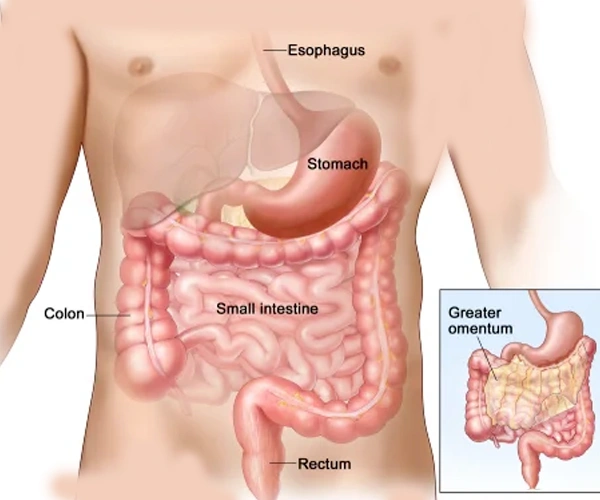
If you are searching for the best GIST and Lymphoma Treatment in Janakpuri, accurate diagnosis and expert gastroenterology care are essential for managing gastrointestinal tumors effectively. Gastrointestinal Stromal Tumors (GIST) and gastrointestinal lymphomas are uncommon tumors that develop in the digestive system, including the stomach and intestines.
Both conditions require detailed evaluation because their symptoms can resemble common digestive problems. Advanced diagnostic procedures such as endoscopy, endoscopic ultrasound (EUS), imaging tests, and biopsy help determine the type, stage, and most suitable treatment approach.
At Dr. Naresh Bansal's Gastro & Liver Clinic, patients receive comprehensive evaluation for gastrointestinal tumors with advanced diagnostic support and personalized treatment guidance for GIST, lymphoma, and related digestive tract conditions.
What are GIST and Lymphoma?
Gastrointestinal Stromal Tumor (GIST)
Gastrointestinal Stromal Tumor (GIST) is a type of tumor that develops from specialized cells in the digestive tract called interstitial cells of Cajal. These cells help regulate movement of food through the digestive system.
GISTs most commonly occur in:
- Stomach
- Small intestine
- Esophagus
- Colon or rectum
GISTs can be benign or malignant depending on factors such as tumor size, location, and growth pattern.
Gastrointestinal Lymphoma
Gastrointestinal lymphoma is a cancer of the lymphatic system that affects the digestive tract. It occurs when lymphocytes (a type of white blood cell) grow abnormally.
Gastrointestinal lymphoma may affect:
- Stomach
- Small intestine
- Colon
The most common types include:
- Non-Hodgkin lymphoma
- Mucosa-associated lymphoid tissue (MALT) lymphoma
The treatment approach depends on the lymphoma type, stage, and overall health condition.
Causes and Risk Factors of GIST and Lymphoma
The exact causes of GIST and gastrointestinal lymphoma are not always known.
Risk Factors for GIST
Factors that may increase risk include:
- Certain genetic mutations
- Family history of GIST
- Neurofibromatosis type 1 (NF1)
- Previous gastrointestinal tumor conditions
Risk Factors for Gastrointestinal Lymphoma
Possible risk factors include:
- Helicobacter pylori (H. pylori) infection
- Chronic immune system disorders
- Autoimmune diseases
- Long-term immune suppression
- Certain viral infections
- Genetic factors
Symptoms of GIST and Lymphoma
Symptoms may vary depending on tumor location and size.
Common symptoms include:
- Abdominal pain or discomfort
- Feeling of fullness after eating
- Nausea and vomiting
- Loss of appetite
- Unexplained weight loss
- Fatigue
- Blood in stool
- Black-colored stools due to bleeding
- Anemia
- Difficulty swallowing in upper digestive tract tumors
Some tumors may be discovered accidentally during investigations for other digestive problems.
How are GIST and Lymphoma Diagnosed?
Accurate diagnosis is important to determine the appropriate treatment plan.
Upper GI Endoscopy
Endoscopy allows direct examination of the stomach and upper digestive tract.
It helps identify:
- Abnormal growths
- Ulcers
- Tumor-like lesions
Biopsy samples may be collected during the procedure.
Endoscopic Ultrasound (EUS)
EUS provides detailed images of the digestive tract layers and helps evaluate:
- Tumor depth
- Size
- Nearby lymph nodes
EUS-guided biopsy may help confirm diagnosis.
CT Scan
A contrast-enhanced CT scan helps assess:
- Tumor size
- Spread to nearby organs
- Lymph node involvement
PET-CT Scan
May be used in selected lymphoma cases to evaluate disease activity and spread.
Histopathology and Immunohistochemistry
Biopsy examination helps identify:
- Tumor type
- Cancer characteristics
- Appropriate treatment options
How are GIST and Lymphoma Treated?
Treatment depends on the tumor type, stage, location, and overall health of the patient.
Treatment of GIST
Surgery
Surgical removal may be recommended for localized GISTs that can be safely removed.
Targeted Therapy
Medicines such as tyrosine kinase inhibitors may be used to control tumor growth in selected patients.
Follow-Up Monitoring
Regular imaging and medical follow-up are important to monitor recurrence or treatment response.
Treatment of Gastrointestinal Lymphoma
Medical Therapy
Many gastrointestinal lymphomas respond well to medical treatment.
Treatment may include:
- Chemotherapy
- Immunotherapy
- Targeted therapies
H. pylori Treatment
Certain stomach lymphomas associated with H. pylori infection may improve after eradication therapy.
Surgery
Surgery is considered only in selected situations, such as complications or specific tumor conditions.
Treatment Procedure
Step 1 – Initial Consultation
A detailed review of symptoms, medical history, previous reports, and risk factors.
Step 2 – Diagnostic Evaluation
Endoscopy, EUS, imaging tests, and biopsy are performed to confirm diagnosis.
Step 3 – Tumor Assessment
The size, location, type, and spread of the tumor are evaluated.
Step 4 – Personalized Treatment Planning
A treatment strategy is developed according to tumor characteristics and patient condition.
Step 5 – Follow-Up Care
Regular monitoring helps assess treatment response and maintain digestive health.
Benefits of Early GIST and Lymphoma Treatment
Seeking timely GIST and Lymphoma Treatment in Janakpuri provides several benefits:
- Early detection of gastrointestinal tumors
- Accurate diagnosis through biopsy
- Better treatment planning
- Improved symptom management
- Prevention of complications
- Appropriate cancer staging
- Better monitoring of disease progression
- Improved quality of life
- Long-term medical support
Why Choose Dr. Naresh Bansal?
Dr. Naresh Bansal is an experienced Gastroenterologist with expertise in diagnosing and managing gastrointestinal disorders, digestive tract tumors, and complex gastrointestinal conditions.
Patients choose Dr. Naresh Bansal because of:
- Extensive experience in gastroenterology
- Expertise in endoscopic evaluation of digestive tumors
- Advanced diagnostic procedures including EUS and endoscopy
- Accurate biopsy-based diagnosis
- Comprehensive assessment of gastrointestinal cancers
- Personalized treatment planning
- Evidence-based medical care
- Focus on early detection and proper management
- Patient-centered approach
- Long-term follow-up support
Frequently Asked Questions (FAQs)
1. What is a GIST tumor?
GIST is a tumor that develops from specialized cells in the digestive tract, most commonly affecting the stomach or small intestine.
2. Is GIST always cancerous?
No. Some GIST tumors have low risk, while others may behave aggressively depending on their size, location, and growth characteristics.
3. What is gastrointestinal lymphoma?
Gastrointestinal lymphoma is a cancer of lymphocytes that affects parts of the digestive system, commonly the stomach or intestine.
4. How are GIST and lymphoma diagnosed?
Diagnosis usually involves endoscopy, biopsy, imaging tests, and sometimes endoscopic ultrasound for detailed evaluation.
5. Can gastrointestinal lymphoma be treated successfully?
Yes. Many gastrointestinal lymphomas respond well to appropriate treatment. Outcomes depend on the lymphoma type, stage, and individual health factors.

Dr Naresh Bansal.All Rights Reserved © 2026