drnbansal@ymail.com
Phone : +918447542860
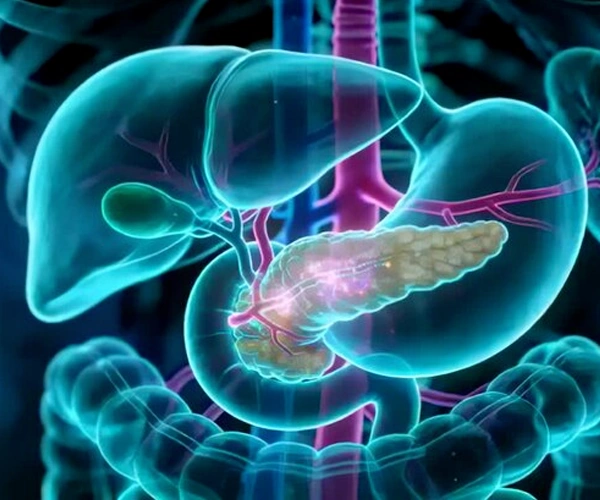
If you are searching for the best Pancreatic Pseudocyst Treatment in Janakpuri, timely diagnosis and specialized pancreatic care are important to prevent complications and restore digestive health. A pancreatic pseudocyst is a fluid-filled collection that develops near the pancreas, usually after inflammation or injury to pancreatic tissue. It commonly occurs after acute pancreatitis, chronic pancreatitis, abdominal trauma, or pancreatic duct damage.
While some small pancreatic pseudocysts may resolve on their own, larger or complicated pseudocysts may cause pain, infection, digestive problems, or blockage of nearby organs and require medical intervention.
At Dr. Naresh Bansal's Gastro & Liver Clinic, patients receive comprehensive evaluation, advanced imaging, and minimally invasive treatment options, including endoscopic drainage when required, for effective management of pancreatic pseudocysts.
What is a Pancreatic Pseudocyst?
A Pancreatic Pseudocyst is an abnormal collection of pancreatic fluid surrounded by a wall of fibrous tissue. Unlike true cysts, pseudocysts do not have an epithelial lining, which is why they are called "pseudo" cysts.
The pancreas produces digestive enzymes that help break down food. When the pancreas becomes inflamed or injured, pancreatic fluids may leak and collect around the pancreas, forming a pseudocyst.
Pancreatic pseudocysts may contain:
- Pancreatic fluid
- Digestive enzymes
- Tissue debris
- Blood products in some cases
Depending on their size and location, pseudocysts may require monitoring or active treatment.
Causes of Pancreatic Pseudocyst
Pancreatic pseudocysts most commonly develop due to conditions that damage the pancreas.
Common causes include:
Acute Pancreatitis
Severe inflammation of the pancreas is the most common cause of pseudocyst formation.
Chronic Pancreatitis
Long-term pancreatic inflammation can lead to repeated fluid collections.
Alcohol-Related Pancreatic Disease
Excessive alcohol consumption can damage pancreatic tissue and increase the risk.
Abdominal Trauma
Injury to the abdomen may damage the pancreas and cause fluid leakage.
Pancreatic Duct Injury
Damage or blockage of pancreatic ducts can result in fluid accumulation.
Pancreatic Surgery
Post-surgical changes may occasionally contribute to pseudocyst formation.
Symptoms of Pancreatic Pseudocyst
Small pseudocysts may not cause symptoms and are often discovered accidentally during imaging.
Larger or complicated pseudocysts may cause:
- Upper abdominal pain
- Abdominal swelling or fullness
- Nausea and vomiting
- Loss of appetite
- Feeling full quickly after eating
- Weight loss
- Digestive discomfort
- Fever if infected
- Jaundice due to bile duct compression
A large pseudocyst may press against nearby organs, causing difficulty with digestion or bowel movements.
Complications of Pancreatic Pseudocyst
If untreated, pancreatic pseudocysts may lead to:
- Infection
- Bleeding
- Rupture
- Pancreatic fistula
- Bile duct obstruction
- Intestinal obstruction
- Recurrent pancreatitis
- Persistent abdominal pain
Early evaluation helps determine whether treatment is necessary.
How is Pancreatic Pseudocyst Diagnosed?
Diagnosis involves identifying the size, location, contents, and relationship of the pseudocyst with surrounding organs.
Imaging Tests
Ultrasound Abdomen
Helps detect fluid collections around the pancreas.
Contrast-Enhanced CT Scan
Provides detailed information about:
- Size of pseudocyst
- Location
- Wall thickness
- Presence of complications
MRI / MRCP
Helps evaluate pancreatic ducts and identify communication between the pseudocyst and pancreatic duct system.
Endoscopic Ultrasound (EUS)
EUS provides high-resolution images of the pancreas and pseudocyst. It can also help guide drainage procedures when required.
Blood Tests
May include:
- Serum Amylase
- Serum Lipase
- Complete Blood Count (CBC)
- Liver Function Tests (LFT)
- Kidney Function Tests
- Blood Sugar Tests
How is Pancreatic Pseudocyst Treated?
Treatment depends on the size, symptoms, complications, and cause of the pseudocyst.
Observation and Monitoring
Small, uncomplicated pseudocysts may resolve naturally and only require:
- Regular imaging follow-up
- Symptom monitoring
- Medical supervision
Medical Management
Supportive treatment may include:
- Pain management
- Nutritional support
- Treatment of underlying pancreatitis
- Management of complications
Endoscopic Drainage
Endoscopic drainage is a minimally invasive treatment option for suitable patients.
It may involve:
- Endoscopic Ultrasound (EUS)-guided drainage
- Creating a connection between the pseudocyst and stomach or intestine
- Placement of drainage stents
Benefits of endoscopic drainage include:
- No major surgery
- Faster recovery
- Reduced hospital stay
- Effective fluid drainage
Surgical Treatment
Surgery may be considered when:
- The pseudocyst is very large
- Endoscopic treatment is not possible
- There are complications
- The pseudocyst does not improve with other treatments
Treatment Procedure
Step 1 – Initial Consultation
A detailed evaluation of symptoms, medical history, previous pancreatitis episodes, and imaging reports.
Step 2 – Diagnostic Assessment
CT scan, MRI/MRCP, EUS, and blood tests help confirm the diagnosis and evaluate the pseudocyst.
Step 3 – Treatment Planning
The size, location, symptoms, and complications are assessed to select the appropriate treatment.
Step 4 – Drainage or Medical Management
Depending on the condition, treatment may include observation, medication, EUS-guided drainage, or surgery.
Step 5 – Follow-Up Monitoring
Regular follow-up ensures resolution of the pseudocyst and helps prevent recurrence.
Benefits of Early Pancreatic Pseudocyst Treatment
Seeking timely Pancreatic Pseudocyst Treatment in Janakpuri provides several benefits:
- Relieves abdominal discomfort
- Prevents infection and rupture
- Reduces pressure on nearby organs
- Improves digestion
- Prevents recurrent complications
- Promotes faster recovery
- Avoids unnecessary surgery when possible
- Preserves pancreatic function
- Improves quality of life
- Supports long-term pancreatic health
Why Choose Dr. Naresh Bansal?
Dr. Naresh Bansal is an experienced Gastroenterologist with expertise in diagnosing and managing complex pancreatic conditions, including pancreatic pseudocysts.
Patients choose Dr. Naresh Bansal because of:
- Extensive experience in pancreatic disease management
- Expertise in advanced endoscopic procedures
- Experience with EUS-guided pancreatic interventions
- Comprehensive evaluation of pancreatic disorders
- Personalized treatment strategies
- Focus on minimally invasive treatment options
- Evidence-based medical approach
- Long-term follow-up care
- Patient-centered treatment environment
- Comprehensive gastroenterology services in Janakpuri
Frequently Asked Questions (FAQs)
1. What causes a pancreatic pseudocyst?
Pancreatic pseudocysts most commonly develop after acute pancreatitis, chronic pancreatitis, abdominal trauma, or pancreatic duct injury.
2. Can a pancreatic pseudocyst disappear on its own?
Yes. Small and uncomplicated pseudocysts may resolve without intervention. Larger or symptomatic pseudocysts often require treatment.
3. Is pancreatic pseudocyst dangerous?
A pancreatic pseudocyst can become serious if it becomes infected, ruptures, bleeds, or presses on nearby organs. Timely evaluation helps prevent complications.
4. What is EUS-guided drainage of a pancreatic pseudocyst?
EUS-guided drainage is a minimally invasive procedure where doctors use endoscopic ultrasound guidance to create a drainage pathway and place stents to empty the pseudocyst.
5. Can pancreatic pseudocysts come back after treatment?
Recurrence is possible, especially if the underlying cause, such as chronic pancreatitis, is not managed. Regular follow-up helps reduce the risk.

Dr Naresh Bansal.All Rights Reserved © 2026