drnbansal@ymail.com
Phone : +918447542860
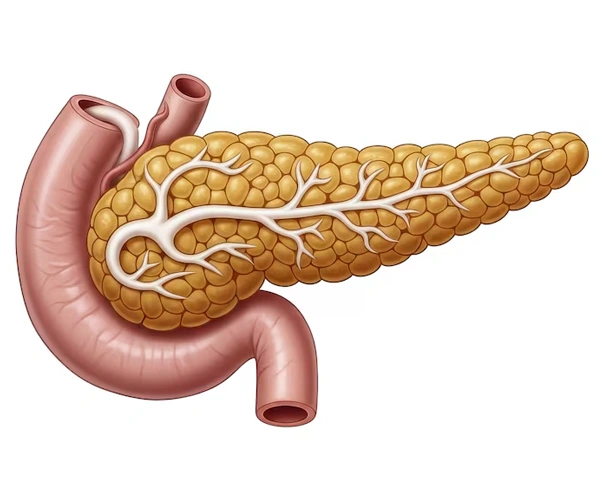
If you are searching for the best Pancreas Stones Treatment in Janakpuri, timely diagnosis and expert pancreatic care are important to relieve pain, improve digestion, and prevent complications. Pancreas stones, also known as pancreatic duct stones, are hard deposits that form inside the pancreatic ducts. These stones can block the normal flow of pancreatic juices, causing inflammation, recurrent pain, and worsening of pancreatic function.
Pancreatic stones are commonly associated with chronic pancreatitis, especially in patients with long-term pancreatic inflammation. If left untreated, they may lead to pancreatic duct blockage, repeated episodes of abdominal pain, digestive problems, and further damage to the pancreas.
At Dr. Naresh Bansal's Gastro & Liver Clinic, patients receive comprehensive evaluation, advanced diagnostic procedures, and personalized treatment options, including minimally invasive endoscopic approaches for managing pancreatic stones and related complications.
What are Pancreas Stones?
Pancreas Stones are calcified deposits that develop within the pancreatic ducts or pancreatic tissue. The pancreatic duct normally carries digestive enzymes from the pancreas to the small intestine. When stones block this pathway, pancreatic secretions cannot flow normally, leading to increased pressure and inflammation.
Pancreatic stones are most commonly seen in patients with chronic pancreatitis and may contribute to:
- Pancreatic duct obstruction
- Recurrent abdominal pain
- Chronic inflammation
- Reduced pancreatic function
- Digestive enzyme deficiency
The size, number, and location of pancreatic stones determine the most suitable treatment approach.
Causes of Pancreas Stones
Pancreatic stones usually develop due to long-term changes in the pancreas caused by inflammation and scarring.
Common causes and risk factors include:
Chronic Pancreatitis
Repeated inflammation can cause calcium deposits and stone formation inside pancreatic ducts.
Long-Term Alcohol Consumption
Excessive alcohol intake is a major risk factor for chronic pancreatitis and pancreatic stones.
Pancreatic Duct Blockage
Narrowing or obstruction of pancreatic ducts can contribute to stone formation.
Genetic Pancreatic Disorders
Inherited conditions may increase the risk of chronic pancreatic inflammation.
Metabolic Factors
High calcium levels and other metabolic abnormalities may contribute in some patients.
Smoking
Smoking increases the risk of chronic pancreatic disease and complications.
Symptoms of Pancreas Stones
Symptoms may vary depending on the size and location of the stones.
Common symptoms include:
- Recurrent upper abdominal pain
- Pain radiating to the back
- Pain after eating
- Nausea and vomiting
- Loss of appetite
- Weight loss
- Bloating
- Indigestion
- Fatty stools due to poor digestion
- Diabetes due to pancreatic damage
Some patients may experience repeated episodes of pancreatitis due to pancreatic duct blockage.
Complications of Pancreas Stones
Untreated pancreatic stones may lead to:
- Chronic pancreatitis progression
- Recurrent acute pancreatitis
- Pancreatic duct obstruction
- Pancreatic fluid collections
- Digestive enzyme deficiency
- Malnutrition
- Diabetes
- Chronic abdominal pain
Early evaluation helps prevent worsening pancreatic damage.
How are Pancreas Stones Diagnosed?
Diagnosis involves identifying the location, size, and effect of stones on pancreatic function.
Blood Tests
Doctors may recommend:
- Serum Amylase
- Serum Lipase
- Liver Function Tests (LFT)
- Blood Sugar Tests
- HbA1c
- Nutritional assessment
Imaging Tests
Ultrasound Abdomen
May detect pancreatic calcifications and associated abnormalities.
Contrast CT Scan
Provides detailed images of pancreatic calcifications, duct changes, and complications.
MRI / MRCP
Helps evaluate pancreatic ducts and identify blockages.
Endoscopic Procedures
ERCP (Endoscopic Retrograde Cholangiopancreatography)
ERCP helps visualize the pancreatic duct and may allow removal of stones or placement of stents to improve drainage.
Endoscopic Ultrasound (EUS)
EUS provides detailed images of the pancreas and helps evaluate associated pancreatic conditions.
How are Pancreas Stones Treated?
Treatment depends on stone size, location, symptoms, pancreatic duct condition, and severity of disease.
Medical Management
Initial treatment may include:
- Pain management
- Pancreatic enzyme supplements
- Nutritional support
- Lifestyle modifications
- Avoiding alcohol and smoking
Endoscopic Treatment
Endoscopic procedures are commonly used to treat pancreatic duct stones.
Treatment options may include:
ERCP Stone Removal
ERCP can help remove stones from the pancreatic duct using specialized instruments.
Pancreatic Duct Stenting
A stent may be placed to improve pancreatic drainage when narrowing or blockage is present.
Lithotripsy
Large stones may require breaking into smaller pieces before removal. This may include specialized stone fragmentation techniques.
Surgical Treatment
Surgery may be considered when:
- Stones are large or multiple
- Endoscopic treatment is unsuccessful
- Severe chronic pancreatitis causes persistent pain
- There are structural complications
Treatment Procedure
Step 1 – Initial Consultation
A detailed review of symptoms, previous pancreatitis history, lifestyle factors, and medical records.
Step 2 – Diagnostic Evaluation
Imaging tests such as CT scan, MRI/MRCP, EUS, or ERCP help identify stones and pancreatic duct abnormalities.
Step 3 – Treatment Planning
The size, number, and location of stones are assessed to select the most suitable treatment.
Step 4 – Endoscopic or Medical Treatment
Depending on the condition, treatment may include ERCP, stone removal, stenting, medication, and dietary management.
Step 5 – Follow-Up Care
Regular monitoring helps manage chronic pancreatitis, prevent recurrence, and maintain pancreatic function.
Benefits of Early Pancreas Stones Treatment
Seeking timely Pancreas Stones Treatment in Janakpuri provides several benefits:
- Relieves abdominal pain
- Improves pancreatic drainage
- Reduces recurrent pancreatitis episodes
- Prevents further pancreatic damage
- Improves digestion
- Helps maintain nutritional health
- Reduces complications
- Supports better pancreatic function
- Improves quality of life
- Provides long-term disease control
Why Choose Dr. Naresh Bansal?
Dr. Naresh Bansal is an experienced Gastroenterologist with expertise in diagnosing and treating pancreatic disorders, including pancreatic stones and chronic pancreatitis-related complications.
Patients choose Dr. Naresh Bansal because of:
- Extensive experience in pancreatic disease management
- Expertise in advanced endoscopic procedures
- Experience with ERCP-based pancreatic interventions
- Comprehensive evaluation of pancreatic disorders
- Personalized treatment approach
- Focus on minimally invasive treatment options
- Evidence-based medical care
- Long-term follow-up and monitoring
- Patient-focused care
- Comprehensive gastroenterology services in Janakpuri
Frequently Asked Questions (FAQs)
1. What causes stones in the pancreas?
Pancreatic stones usually develop due to chronic pancreatitis, long-term inflammation, alcohol-related pancreatic damage, smoking, or pancreatic duct abnormalities.
2. Are pancreas stones the same as gallstones?
No. Gallstones form in the gallbladder, while pancreas stones form inside the pancreatic ducts. However, both can block digestive pathways and cause inflammation.
3. Can pancreatic stones be removed without surgery?
Yes. Many pancreatic stones can be treated using endoscopic procedures such as ERCP. Large or difficult stones may require additional procedures or surgery.
4. What is the role of ERCP in pancreatic stone treatment?
ERCP allows doctors to examine the pancreatic duct, remove stones, and place stents to improve pancreatic drainage.
5. Can pancreas stones come back after treatment?
Yes. Recurrence is possible, especially if the underlying condition such as chronic pancreatitis continues. Lifestyle changes and regular follow-up help reduce recurrence risk.

Dr Naresh Bansal.All Rights Reserved © 2026