drnbansal@ymail.com
Phone : +918447542860
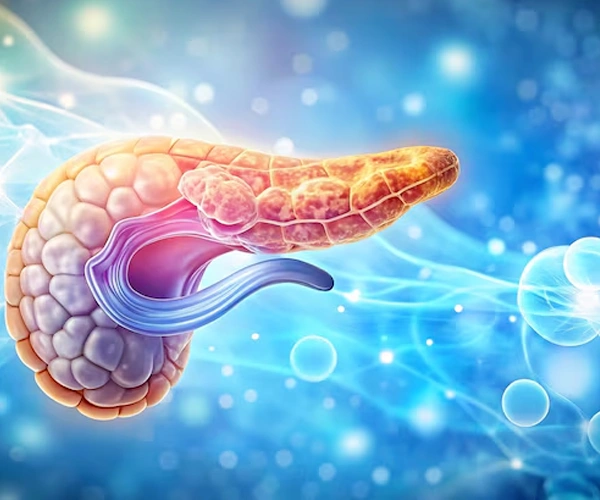
If you are searching for the best Pancreas Leak Treatment in Janakpuri, timely diagnosis and expert gastroenterology care are essential to prevent complications and promote healing. A pancreas leak occurs when pancreatic fluid escapes from the normal pancreatic duct system due to damage, inflammation, injury, or blockage. Since pancreatic fluid contains powerful digestive enzymes, leakage can cause irritation, inflammation, fluid collections, and infection if not treated properly.
Pancreatic leaks are commonly associated with acute pancreatitis, chronic pancreatitis, pancreatic surgery, trauma, or disruption of the pancreatic duct. Early identification of the leak and appropriate treatment can help avoid serious complications and improve recovery.
At Dr. Naresh Bansal's Gastro & Liver Clinic, patients receive advanced evaluation, including imaging and endoscopic assessment, along with personalized treatment plans for pancreatic leaks, pancreatic duct injuries, and related complications.
What is a Pancreas Leak?
A Pancreas Leak refers to the abnormal escape of pancreatic secretions from the pancreatic duct or damaged pancreatic tissue into surrounding areas. Normally, pancreatic enzymes flow through the pancreatic duct into the small intestine, where they help digest food.
When the pancreatic duct is injured or disrupted, these digestive enzymes may leak into the abdominal cavity or other spaces, causing inflammation and fluid accumulation.
A pancreas leak may lead to:
- Pancreatic fluid collections
- Pancreatic ascites
- Pancreatic pseudocysts
- Infection
- Abdominal inflammation
- Fistula formation
Early diagnosis is important to prevent worsening of the condition.
Causes of Pancreas Leak
A pancreatic leak can occur due to several conditions affecting the pancreas and pancreatic ducts.
Common causes include:
Acute Pancreatitis
Severe inflammation of the pancreas can damage pancreatic ducts and cause fluid leakage.
Chronic Pancreatitis
Long-term inflammation can weaken pancreatic ducts and increase the risk of leaks.
Pancreatic Surgery
Operations involving the pancreas may occasionally result in duct leakage during healing.
Abdominal Trauma
Injuries to the abdomen can damage pancreatic tissue or ducts.
Pancreatic Pseudocyst
Rupture of a pancreatic pseudocyst can release pancreatic fluid into surrounding tissues.
Pancreatic Duct Obstruction
Blockages caused by stones, narrowing, or tumors may increase pressure inside the duct and result in leakage.
Symptoms of Pancreas Leak
Symptoms depend on the location and severity of the leak.
Common symptoms include:
- Persistent abdominal pain
- Abdominal swelling or fullness
- Nausea and vomiting
- Fever
- Loss of appetite
- Unexplained weight loss
- Fluid accumulation in the abdomen
- Digestive problems
- Weakness and fatigue
In some cases, pancreatic fluid may collect around the lungs, causing:
- Chest discomfort
- Shortness of breath
- Difficulty breathing
Complications of Pancreas Leak
If untreated, a pancreas leak can result in:
- Pancreatic pseudocyst formation
- Pancreatic ascites
- Abdominal infection
- Abscess formation
- Electrolyte imbalance
- Malnutrition
- Chronic abdominal pain
- Recurrent pancreatic problems
Early medical evaluation reduces the risk of these complications.
How is Pancreas Leak Diagnosed?
Accurate diagnosis helps determine the location and severity of the leak.
Diagnostic evaluation may include:
Blood Tests
- Serum Amylase
- Serum Lipase
- Complete Blood Count (CBC)
- Liver Function Tests (LFT)
- Kidney Function Tests
- Nutritional assessment
Imaging Tests
Contrast-Enhanced CT Scan
Helps identify fluid collections, inflammation, and complications.
MRI and MRCP
Magnetic Resonance Cholangiopancreatography provides detailed images of pancreatic ducts and helps identify duct disruption or leakage.
Ultrasound Abdomen
Used to detect fluid collections and monitor changes.
Endoscopic Procedures
ERCP (Endoscopic Retrograde Cholangiopancreatography)
ERCP helps locate pancreatic duct leaks and may allow placement of pancreatic duct stents to redirect pancreatic fluid flow and support healing.
Endoscopic Ultrasound (EUS)
EUS provides detailed imaging of the pancreas and helps evaluate associated fluid collections.
How is Pancreas Leak Treated?
Treatment depends on the size of the leak, cause, location, and patient's overall condition.
Conservative Treatment
Some pancreatic leaks heal with supportive management, including:
- Monitoring
- Nutritional support
- Fluid and electrolyte management
- Pain control
- Medications to reduce pancreatic secretions
Endoscopic Treatment
Endoscopic therapy is an important minimally invasive treatment option.
It may include:
- ERCP-guided pancreatic duct assessment
- Pancreatic duct stent placement
- Drainage of pancreatic fluid collections
These procedures help reduce pressure within the pancreatic duct and allow healing.
Drainage Procedures
Fluid collections caused by leaks may require:
- Image-guided drainage
- Endoscopic drainage
- Treatment of infected collections
Surgical Treatment
Surgery may be considered when:
- The leak persists despite other treatments
- There is complete pancreatic duct disruption
- Severe complications develop
- Underlying pancreatic disease requires surgical correction
Treatment Procedure
Step 1 – Initial Consultation
A detailed evaluation of symptoms, medical history, previous pancreatitis episodes, trauma, or pancreatic surgery.
Step 2 – Diagnostic Testing
Blood tests and imaging studies such as CT scan, MRI/MRCP, EUS, or ERCP are performed to identify the leak.
Step 3 – Severity Assessment
The location, size, and cause of the pancreatic leak are determined.
Step 4 – Individualized Treatment Plan
A personalized approach is developed, which may include observation, medication, endoscopic procedures, drainage, or surgery.
Step 5 – Follow-Up Care
Regular monitoring ensures healing of the leak and helps prevent recurrence.
Benefits of Early Treatment
Seeking timely Pancreas Leak Treatment in Janakpuri offers several benefits:
- Stops pancreatic fluid leakage
- Reduces abdominal inflammation
- Prevents infection
- Promotes faster healing
- Reduces complications
- Preserves pancreatic function
- Avoids unnecessary surgery when possible
- Improves digestion and nutrition
- Supports long-term pancreatic health
- Improves quality of life
Why Choose Dr. Naresh Bansal?
Dr. Naresh Bansal is an experienced Gastroenterologist specializing in digestive system and pancreatic disorders, including pancreatic leaks and duct-related complications.
Patients choose Dr. Naresh Bansal because of:
- Extensive experience in pancreatic disease management
- Expertise in advanced endoscopic procedures
- Comprehensive diagnosis of pancreatic duct problems
- Experience with ERCP and EUS evaluation
- Personalized treatment plans
- Focus on minimally invasive management
- Evidence-based approach to patient care
- Long-term monitoring and follow-up
- Patient-friendly treatment environment
- Comprehensive gastroenterology services in Janakpuri
Frequently Asked Questions (FAQs)
1. What causes a pancreas leak?
A pancreas leak can occur due to acute pancreatitis, chronic pancreatitis, pancreatic surgery, abdominal injury, pancreatic pseudocyst rupture, or pancreatic duct blockage.
2. Is a pancreas leak a serious condition?
Yes. A pancreas leak can cause fluid collections, infections, and inflammation if not diagnosed and treated properly. Early medical care improves outcomes.
3. Can a pancreas leak heal without surgery?
Yes. Many pancreatic leaks improve with conservative treatment or endoscopic procedures. Surgery is considered only for persistent or complicated cases.
4. How is ERCP helpful in pancreas leak treatment?
ERCP helps identify pancreatic duct damage and allows doctors to place stents that improve pancreatic drainage and support healing.
5. How long does it take for a pancreas leak to heal?
Healing time varies depending on the cause, size of the leak, treatment response, and presence of complications. Regular follow-up is needed until complete healing.

Dr Naresh Bansal.All Rights Reserved © 2026