drnbansal@ymail.com
Phone : +918447542860
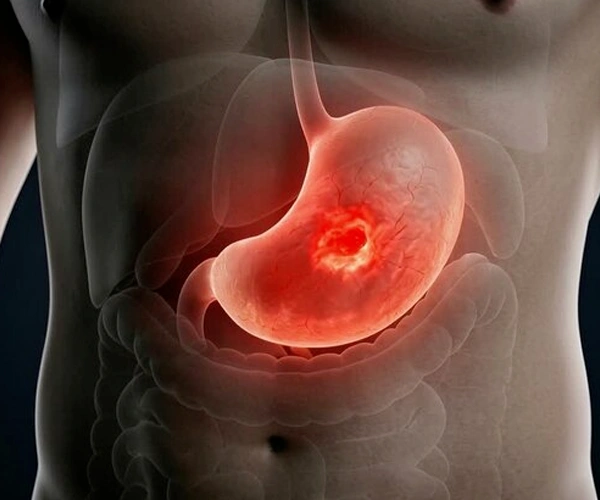
If you are searching for the best Cystic Neoplasm of Pancreas Treatment in Janakpuri, accurate diagnosis and timely expert evaluation are essential for effective management. Cystic Neoplasms of the Pancreas are abnormal fluid-filled growths that develop within the pancreas. While some pancreatic cysts are benign and may only require regular monitoring, others have the potential to become cancerous and need specialized treatment.
Many pancreatic cystic lesions are discovered incidentally during imaging tests performed for other health conditions. Since different types of pancreatic cysts have different risks, proper evaluation by an experienced gastroenterologist is important to determine whether observation, further investigation, or treatment is required.
At Dr. Naresh Bansal's Gastro & Liver Clinic, patients receive comprehensive pancreatic evaluation using advanced diagnostic methods, including imaging and endoscopic assessment, along with personalized treatment plans focused on early detection, risk assessment, and prevention of complications.
What is Cystic Neoplasm of Pancreas?
A Cystic Neoplasm of the Pancreas is an abnormal growth in the pancreas that contains fluid. These lesions may develop from pancreatic cells and can range from harmless cysts to tumors with malignant potential.
The pancreas is an important digestive organ that produces enzymes for digestion and hormones such as insulin for blood sugar control. Pancreatic cystic neoplasms can affect pancreatic function depending on their size, location, and type.
Common types of pancreatic cystic neoplasms include:
Intraductal Papillary Mucinous Neoplasm (IPMN)
IPMN develops in the pancreatic ducts and produces mucin (a thick fluid). Some IPMNs have the potential to progress to pancreatic cancer and require careful monitoring.
Mucinous Cystic Neoplasm (MCN)
MCNs are usually found in the body or tail of the pancreas and occur more commonly in middle-aged women. Some may have cancerous potential.
Serous Cystadenoma
These are usually benign pancreatic cysts with a very low risk of becoming cancerous.
Solid Pseudopapillary Tumor
A rare pancreatic tumor that usually occurs in younger individuals and may require surgical removal.
Causes and Risk Factors
The exact cause of pancreatic cystic neoplasms is not always known. However, certain factors may increase the risk of developing pancreatic abnormalities.
Possible risk factors include:
- Increasing age
- History of chronic pancreatitis
- Genetic predisposition
- Family history of pancreatic cancer
- Certain inherited cancer syndromes
- Previous pancreatic injury or inflammation
- Smoking
- Long-term pancreatic disorders
Some pancreatic cystic lesions develop without any identifiable risk factors.
Symptoms of Cystic Neoplasm of Pancreas
Many pancreatic cystic neoplasms do not cause symptoms and are found accidentally during imaging tests.
When symptoms occur, they may include:
- Upper abdominal pain
- Back pain
- Feeling of fullness after meals
- Nausea and vomiting
- Loss of appetite
- Unexplained weight loss
- Digestive problems
- Jaundice (yellowing of skin and eyes)
- Changes in blood sugar levels
- Recurrent pancreatitis
Symptoms such as jaundice, weight loss, or worsening abdominal pain require prompt medical evaluation.
How is Cystic Neoplasm of Pancreas Diagnosed?
Accurate diagnosis is important because treatment depends on the type and risk level of the pancreatic cyst.
Evaluation may include:
Imaging Tests
Ultrasound Abdomen
Helps identify pancreatic cysts and other abdominal abnormalities.
Contrast-Enhanced CT Scan
Provides detailed information about the size, structure, and location of the cyst.
MRI Abdomen and MRCP
Helps evaluate communication between the cyst and pancreatic ducts and provides detailed imaging of pancreatic structures.
Endoscopic Ultrasound (EUS)
EUS provides high-resolution images of the pancreas and helps doctors evaluate cyst characteristics.
During EUS, fluid samples may be collected for analysis, including:
- Cyst fluid examination
- Tumor marker testing
- Cytology evaluation
Blood Tests
May include:
- Liver Function Tests (LFT)
- Pancreatic enzymes (Amylase and Lipase)
- Tumor markers when required
- Blood sugar evaluation
A detailed assessment helps determine whether the cyst requires monitoring or active treatment.
How is Cystic Neoplasm of Pancreas Treated?
Treatment depends on the type of cyst, size, symptoms, growth pattern, and risk of cancer.
Regular Monitoring
Small, low-risk pancreatic cysts may require:
- Periodic MRI or CT scans
- EUS evaluation when needed
- Regular gastroenterology follow-up
Endoscopic Evaluation
Endoscopic Ultrasound helps assess suspicious cysts and provides important information for treatment decisions.
Surgical Treatment
Surgery may be recommended when:
- The cyst has features suggesting cancer risk
- The lesion is large or growing
- Symptoms are present
- There are suspicious changes in imaging
Surgical options depend on the location of the cyst:
- Removal of the head of pancreas (Whipple procedure in selected cases)
- Distal pancreatectomy for lesions in the body or tail
- Other pancreas-preserving procedures when appropriate
Management of Associated Conditions
Treatment may also include management of:
- Chronic pancreatitis
- Diabetes
- Digestive enzyme deficiency
- Nutritional issues
Treatment Procedure
Step 1 – Initial Consultation
A detailed review of symptoms, medical history, family history, and previous imaging reports.
Step 2 – Diagnostic Assessment
Advanced imaging such as MRI, MRCP, CT scan, and EUS may be performed to evaluate the cyst.
Step 3 – Risk Evaluation
The cyst type, size, growth pattern, and cancer risk factors are assessed.
Step 4 – Personalized Treatment Planning
A customized plan is created, which may include monitoring, EUS evaluation, or referral for surgical management when required.
Step 5 – Long-Term Follow-Up
Regular monitoring helps detect changes early and ensures timely intervention.
Benefits of Early Evaluation and Treatment
Seeking timely Cystic Neoplasm of Pancreas Treatment in Janakpuri offers several benefits:
- Early detection of high-risk pancreatic lesions
- Accurate diagnosis of cyst type
- Prevention of pancreatic cancer progression
- Avoidance of unnecessary procedures
- Timely surgical intervention when required
- Better preservation of pancreatic function
- Improved long-term outcomes
- Effective monitoring of low-risk cysts
- Reduced risk of serious complications
Why Choose Dr. Naresh Bansal?
Dr. Naresh Bansal is an experienced Gastroenterologist with expertise in diagnosing and managing pancreatic disorders, including pancreatic cystic lesions.
Patients choose Dr. Naresh Bansal because of:
- Extensive experience in gastroenterology and pancreatic diseases
- Expertise in evaluating pancreatic cysts and tumors
- Comprehensive diagnostic approach
- Advanced endoscopic and imaging-based evaluation
- Personalized treatment recommendations
- Focus on early detection and cancer risk assessment
- Evidence-based medical care
- Long-term patient monitoring
- Patient-focused and compassionate approach
- Comprehensive gastroenterology services in Janakpuri
Frequently Asked Questions (FAQs)
1. Are all pancreatic cystic neoplasms cancerous?
No. Many pancreatic cystic neoplasms are benign and may only require monitoring. However, some types have the potential to become cancerous and require careful evaluation.
2. How are pancreatic cysts detected?
Most pancreatic cysts are discovered accidentally during ultrasound, CT scans, MRI, or other imaging tests performed for unrelated conditions.
3. Is surgery always required for pancreatic cystic neoplasms?
No. Surgery is only recommended for cysts with high-risk features, significant symptoms, rapid growth, or suspected cancerous changes. Many cysts can be safely monitored.
4. What is the role of EUS in pancreatic cyst evaluation?
Endoscopic Ultrasound (EUS) provides detailed images of pancreatic cysts and may allow fluid sampling to help determine the nature and risk level of the cyst.
5. Can pancreatic cystic neoplasms come back after treatment?
Recurrence depends on the type of cyst and treatment method. Regular follow-up after treatment or monitoring helps detect any changes early.

Dr Naresh Bansal.All Rights Reserved © 2026