drnbansal@ymail.com
Phone : +918447542860
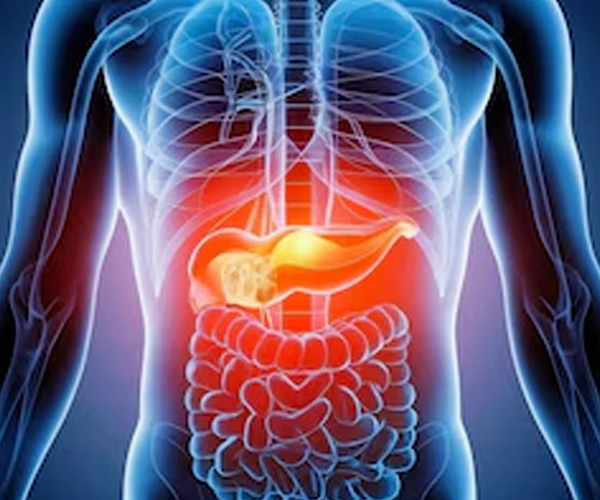
If you are searching for the best Chronic Pancreatitis Treatment in Janakpuri, early diagnosis and specialized medical care are important to prevent permanent pancreatic damage and improve quality of life. Chronic pancreatitis is a long-term inflammatory condition of the pancreas that causes progressive and irreversible damage to pancreatic tissue. Over time, it can affect the pancreas's ability to produce digestive enzymes and hormones, leading to problems such as chronic abdominal pain, indigestion, weight loss, and diabetes.
Unlike acute pancreatitis, which develops suddenly, chronic pancreatitis continues for months or years and may gradually worsen without proper management. Identifying the underlying cause and receiving timely treatment can help control symptoms, prevent complications, and preserve pancreatic function.
At Dr. Naresh Bansal's Gastro & Liver Clinic, patients receive comprehensive evaluation, advanced diagnostic testing, and individualized treatment plans for chronic pancreatitis, focusing on symptom relief, nutritional support, and prevention of further pancreatic damage.
What is Chronic Pancreatitis?
Chronic pancreatitis is a progressive inflammatory disease of the pancreas that leads to permanent scarring and damage of pancreatic tissue. The pancreas is responsible for producing digestive enzymes that help break down food and hormones such as insulin that regulate blood sugar.
Repeated episodes of inflammation cause fibrosis (scarring), which gradually reduces pancreatic function. As the disease progresses, patients may develop:
- Chronic abdominal pain
- Poor digestion
- Nutritional deficiencies
- Weight loss
- Pancreatic enzyme deficiency
- Diabetes
Chronic pancreatitis requires long-term medical management and regular monitoring to prevent complications.
Causes of Chronic Pancreatitis
Several factors can contribute to the development of chronic pancreatitis.
Common causes include:
- Long-term excessive alcohol consumption
- Repeated episodes of acute pancreatitis
- Genetic factors
- Autoimmune pancreatitis
- Blockage of pancreatic ducts
- High triglyceride levels
- High calcium levels
- Certain inherited conditions
- Abnormal pancreatic duct structure
- Smoking
- Cystic fibrosis (rare)
In some patients, the exact cause may not be identified, which is known as idiopathic chronic pancreatitis.
Symptoms of Chronic Pancreatitis
Symptoms may develop gradually and vary depending on the severity of pancreatic damage.
Common symptoms include:
- Persistent or recurring upper abdominal pain
- Pain spreading to the back
- Pain that worsens after eating
- Nausea and vomiting
- Loss of appetite
- Unintentional weight loss
- Bloating
- Indigestion
- Fatty or oily stools (steatorrhea)
- Diarrhea
- Weakness and fatigue
As pancreatic function decreases, patients may develop:
- Diabetes
- Vitamin deficiencies
- Malnutrition
- Digestive problems
Complications of Chronic Pancreatitis
Untreated chronic pancreatitis can lead to several complications, including:
- Pancreatic insufficiency
- Diabetes mellitus
- Malnutrition
- Vitamin deficiencies
- Pancreatic pseudocysts
- Bile duct obstruction
- Blockage of pancreatic ducts
- Increased risk of pancreatic cancer
- Chronic pain affecting daily activities
Regular follow-up with a gastroenterologist helps detect and manage these complications early.
How is Chronic Pancreatitis Diagnosed?
Diagnosis involves evaluating symptoms, medical history, pancreatic function, and structural changes in the pancreas.
Diagnostic tests may include:
Blood Tests
- Amylase and Lipase levels
- Liver Function Tests (LFT)
- Blood Sugar Tests
- HbA1c
- Lipid Profile
- Calcium levels
- Nutritional assessments
Imaging Tests
- Ultrasound Abdomen
- Contrast CT Scan of the pancreas
- MRI Abdomen
- MRCP (Magnetic Resonance Cholangiopancreatography)
Advanced Diagnostic Procedures
- Endoscopic Ultrasound (EUS)
- Pancreatic Function Tests
- ERCP in selected cases
These tests help assess pancreatic damage, duct abnormalities, complications, and the underlying cause.
How is Chronic Pancreatitis Treated?
Treatment aims to control pain, improve digestion, manage complications, and prevent further pancreatic damage.
Lifestyle Changes
Patients are advised to:
- Completely avoid alcohol
- Stop smoking
- Follow a healthy diet
- Eat smaller, frequent meals
- Maintain a healthy weight
- Avoid foods that trigger symptoms
Pancreatic Enzyme Replacement Therapy (PERT)
When the pancreas cannot produce enough digestive enzymes, enzyme supplements may be prescribed to:
- Improve digestion
- Reduce fatty stools
- Improve nutrient absorption
- Support healthy weight maintenance
Pain Management
Treatment options may include:
- Pain-relieving medications
- Nerve blocks in selected cases
- Endoscopic procedures
- Specialist pain management approaches
Management of Diabetes
Patients who develop diabetes due to pancreatic damage require appropriate blood sugar monitoring and treatment.
Endoscopic Treatment
In selected patients, endoscopic procedures may help treat:
- Pancreatic duct blockage
- Pancreatic stones
- Narrowing of pancreatic ducts
- Fluid collections
Surgery
Surgery may be considered for patients with severe pain, complications, or structural abnormalities that do not respond to other treatments.
Treatment Procedure
Step 1 – Initial Consultation
A detailed evaluation of symptoms, alcohol history, medications, diet, and previous episodes of pancreatitis.
Step 2 – Diagnostic Assessment
Blood tests, CT scan, MRI/MRCP, EUS, and other investigations are performed to assess pancreatic health.
Step 3 – Identify the Cause
The underlying cause of chronic pancreatitis is determined to guide appropriate treatment.
Step 4 – Personalized Treatment Plan
A customized plan is created, including medications, dietary advice, enzyme replacement, and endoscopic or surgical options when required.
Step 5 – Long-Term Monitoring
Regular follow-up helps monitor pancreatic function, nutritional status, diabetes risk, and disease progression.
Benefits of Early Treatment
Seeking timely Chronic Pancreatitis Treatment in Janakpuri can provide several benefits:
- Reduces abdominal pain
- Improves digestion
- Prevents nutritional deficiencies
- Maintains healthy body weight
- Controls pancreatic inflammation
- Helps manage diabetes risk
- Prevents complications
- Improves daily functioning
- Reduces hospital visits
- Improves overall quality of life
Why Choose Dr. Naresh Bansal?
Dr. Naresh Bansal is an experienced Gastroenterologist with expertise in diagnosing and treating pancreatic disorders, including chronic pancreatitis.
Patients choose Dr. Naresh Bansal because of:
- Extensive experience in gastroenterology and pancreatic diseases
- Expertise in managing chronic digestive disorders
- Comprehensive diagnostic evaluation
- Advanced endoscopic and imaging assessment
- Personalized treatment plans
- Focus on identifying and treating the root cause
- Long-term disease monitoring
- Evidence-based medical care
- Patient-friendly approach
- Comprehensive gastroenterology services in Janakpuri
Frequently Asked Questions (FAQs)
1. Can chronic pancreatitis be cured completely?
Chronic pancreatitis causes permanent changes in the pancreas, but proper treatment can control symptoms, slow disease progression, and improve quality of life.
2. What is the most common cause of chronic pancreatitis?
Long-term alcohol consumption is one of the most common causes. Other causes include genetic factors, autoimmune disease, repeated acute pancreatitis, and pancreatic duct problems.
3. Can chronic pancreatitis cause diabetes?
Yes. Damage to insulin-producing cells in the pancreas can lead to diabetes, especially in advanced stages of chronic pancreatitis.
4. Is chronic pancreatitis dangerous?
Yes. If untreated, it can cause complications such as malnutrition, pancreatic insufficiency, diabetes, pseudocysts, and increased risk of pancreatic cancer.
5. What diet is recommended for chronic pancreatitis?
A balanced diet with smaller frequent meals, adequate protein, controlled fat intake, and avoidance of alcohol is generally recommended. Nutritional advice should be personalized according to the patient's condition.

Dr Naresh Bansal.All Rights Reserved © 2026