drnbansal@ymail.com
Phone : +918447542860
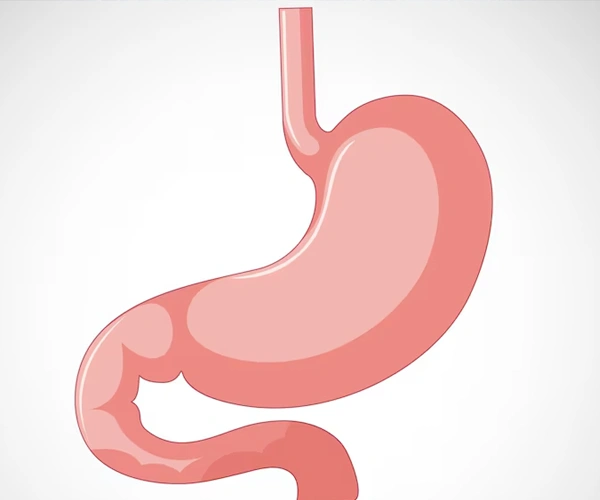
If you are searching for the best Autoimmune Pancreatitis Treatment in Janakpuri, timely diagnosis and specialized medical care are essential for effective disease management. Autoimmune Pancreatitis (AIP) is a rare form of chronic pancreatitis in which the body's immune system mistakenly attacks the pancreas, leading to inflammation and swelling. Unlike other forms of pancreatitis that are commonly caused by alcohol consumption or gallstones, autoimmune pancreatitis is an immune-mediated condition and often responds very well to steroid therapy.
Because its symptoms can resemble pancreatic cancer or other pancreatic disorders, accurate diagnosis by an experienced gastroenterologist is extremely important. At Dr. Naresh Bansal's Gastro & Liver Clinic, patients receive comprehensive evaluation, advanced imaging, laboratory investigations, and personalized treatment plans to control inflammation, preserve pancreatic function, and reduce the risk of recurrence.
What is Autoimmune Pancreatitis?
Autoimmune Pancreatitis (AIP) is a chronic inflammatory disease of the pancreas caused by an abnormal immune response. In this condition, the immune system attacks healthy pancreatic tissue, resulting in inflammation, enlargement of the pancreas, and narrowing of the pancreatic or bile ducts.
Autoimmune pancreatitis is classified into two types:
Type 1 Autoimmune Pancreatitis
Also known as IgG4-related pancreatitis, this is the most common type and may affect multiple organs, including the bile ducts, salivary glands, kidneys, and lymph nodes.
Type 2 Autoimmune Pancreatitis
This form affects only the pancreas and is sometimes associated with inflammatory bowel disease (IBD), particularly ulcerative colitis.
Most patients respond well to medical treatment, especially corticosteroid therapy, when diagnosed early.
Causes and Risk Factors
The exact cause of autoimmune pancreatitis is not fully understood. It is believed to occur due to an abnormal immune response in genetically susceptible individuals.
Factors that may increase the risk include:
- Autoimmune disorders
- Elevated IgG4 levels (Type 1 AIP)
- Family history of autoimmune diseases
- Inflammatory bowel disease (especially Type 2 AIP)
- Middle-aged and older adults
- Male gender (more common in Type 1 AIP)
Unlike other forms of pancreatitis, autoimmune pancreatitis is not caused by alcohol consumption or gallstones.
Symptoms of Autoimmune Pancreatitis
Symptoms can develop gradually and may vary from person to person.
Common symptoms include:
- Upper abdominal pain
- Jaundice (yellowing of the skin and eyes)
- Dark-colored urine
- Pale stools
- Unexplained weight loss
- Loss of appetite
- Nausea
- Fatigue
- Mild fever
- Itching
- Indigestion
- New-onset diabetes in some patients
Some patients have no symptoms and are diagnosed during investigations for abnormal liver tests or imaging findings.
How is Autoimmune Pancreatitis Diagnosed?
Diagnosing autoimmune pancreatitis requires a combination of clinical evaluation, imaging, blood tests, and sometimes tissue biopsy because its appearance can resemble pancreatic cancer.
Blood Tests
Your doctor may recommend:
- Serum IgG4 levels
- Complete Blood Count (CBC)
- Liver Function Tests (LFT)
- Kidney Function Tests (KFT)
- Blood Sugar Levels
- Pancreatic Enzyme Tests (Amylase and Lipase)
Imaging Studies
- Ultrasound Abdomen
- Contrast-Enhanced CT Scan
- MRI Abdomen
- MRCP (Magnetic Resonance Cholangiopancreatography)
Advanced Evaluation
- Endoscopic Ultrasound (EUS)
- EUS-guided biopsy when required
- ERCP for evaluation of bile duct narrowing
- Histopathological examination in selected cases
The diagnosis is based on a combination of imaging findings, laboratory tests, biopsy results, and response to steroid treatment.
How is Autoimmune Pancreatitis Treated?
The primary goal of treatment is to reduce inflammation, relieve symptoms, and preserve pancreatic function.
Corticosteroid Therapy
Most patients respond rapidly to steroid medications, which help reduce inflammation and improve symptoms.
Immunosuppressive Medications
Patients who experience recurrent disease or cannot tolerate steroids may require medications such as:
- Azathioprine
- Mycophenolate mofetil
- Rituximab (selected cases)
Management of Associated Conditions
Treatment may also include:
- Diabetes management
- Bile duct obstruction treatment
- Nutritional support
- Pancreatic enzyme supplementation when needed
Regular Follow-Up
Patients require periodic monitoring to evaluate:
- Disease recurrence
- Pancreatic function
- Liver function
- Blood sugar control
- Imaging changes
Long-term follow-up helps prevent complications and ensures sustained disease control.
Treatment Procedure
Step 1 – Initial Consultation
A detailed medical history, symptom assessment, and physical examination are performed.
Step 2 – Comprehensive Diagnostic Evaluation
Blood investigations, imaging studies, IgG4 testing, and endoscopic procedures are performed when indicated.
Step 3 – Disease Confirmation
The diagnosis is established after correlating clinical findings, imaging, laboratory reports, and biopsy results if required.
Step 4 – Personalized Treatment Plan
An individualized treatment plan including corticosteroids, immunosuppressive therapy (if required), and supportive care is developed.
Step 5 – Regular Monitoring
Scheduled follow-up visits help monitor treatment response, identify recurrence early, and maintain pancreatic health.
Benefits of Early Treatment
Seeking timely Autoimmune Pancreatitis Treatment in Janakpuri offers several advantages:
- Reduces pancreatic inflammation
- Relieves abdominal pain and jaundice
- Preserves pancreatic function
- Prevents irreversible pancreatic damage
- Lowers the risk of disease recurrence
- Improves digestion
- Helps control associated diabetes
- Prevents bile duct complications
- Improves overall quality of life
- Supports long-term pancreatic health
Why Choose Dr. Naresh Bansal?
Dr. Naresh Bansal is an experienced Gastroenterologist with expertise in diagnosing and treating pancreatic disorders, including autoimmune pancreatitis.
Patients choose Dr. Naresh Bansal because of:
- Extensive experience in gastroenterology and pancreatic diseases
- Expertise in diagnosing rare pancreatic disorders
- Comprehensive evaluation using advanced diagnostic techniques
- Personalized treatment plans based on current international guidelines
- Advanced imaging and endoscopic assessment
- Long-term monitoring for disease recurrence
- Compassionate and patient-focused care
- Evidence-based treatment approach
- Comprehensive digestive and liver care services
- Conveniently located clinic in Janakpuri
Frequently Asked Questions (FAQs)
1. Is autoimmune pancreatitis the same as regular pancreatitis?
No. Autoimmune pancreatitis is caused by an abnormal immune response, whereas acute or chronic pancreatitis is commonly related to gallstones, alcohol use, or other causes.
2. Can autoimmune pancreatitis be cured?
Most patients respond very well to corticosteroid therapy, and symptoms often improve quickly. However, some individuals may experience recurrence and require long-term follow-up.
3. Is autoimmune pancreatitis cancer?
No. Autoimmune pancreatitis is not cancer. However, it can closely resemble pancreatic cancer on imaging studies, making accurate diagnosis by a specialist essential.
4. Will I need surgery?
Most patients do not require surgery. Treatment is usually medical and focuses on corticosteroids and other medications. Surgery is considered only if another condition, such as cancer, cannot be ruled out.
5. Can autoimmune pancreatitis come back after treatment?
Yes. Some patients may experience relapse after initial treatment. Regular follow-up, blood tests, and imaging studies help detect recurrence early and guide further management.

Dr Naresh Bansal.All Rights Reserved © 2026