drnbansal@ymail.com
Phone : +918447542860
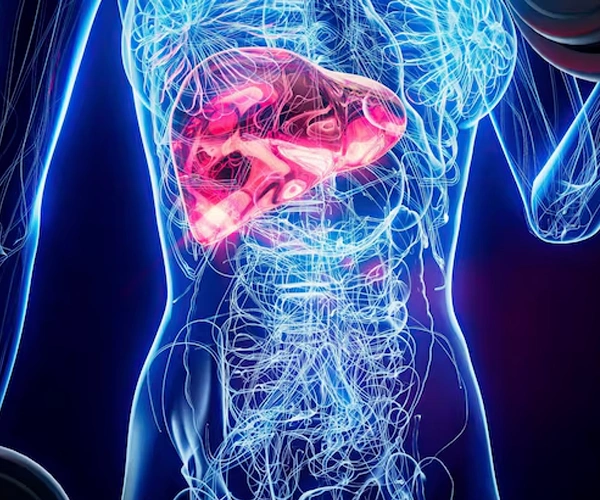
If you are searching for the best Acute Pancreatitis Treatment in Janakpuri, prompt medical attention is essential to prevent serious complications and ensure a faster recovery. Acute pancreatitis is a sudden inflammation of the pancreas that can range from mild discomfort to a severe, life-threatening condition. The pancreas is an important organ responsible for producing digestive enzymes and hormones such as insulin, which help regulate blood sugar levels.
In acute pancreatitis, digestive enzymes become activated inside the pancreas instead of the small intestine, leading to inflammation and damage to pancreatic tissue. Most patients recover completely with early diagnosis and appropriate treatment, while severe cases may require hospitalization and intensive care. At Dr. Naresh Bansal's Gastro & Liver Clinic, patients receive comprehensive evaluation, advanced diagnostic testing, and individualized treatment plans to manage acute pancreatitis and its underlying causes effectively.
What is Acute Pancreatitis?
Acute pancreatitis is the sudden inflammation of the pancreas that develops over a short period. The condition may be mild and resolve within a few days or become severe, leading to infection, tissue damage, organ failure, and other life-threatening complications.
The pancreas plays a vital role in digestion by releasing digestive enzymes into the small intestine and producing hormones that regulate blood sugar. During acute pancreatitis, these digestive enzymes begin attacking the pancreas itself, resulting in inflammation and swelling.
Most patients improve with timely treatment, but delayed medical care can increase the risk of serious complications.
Causes of Acute Pancreatitis
Several medical conditions can trigger acute pancreatitis.
The most common causes include:
- Gallstones blocking the pancreatic duct
- Heavy alcohol consumption
- High triglyceride levels
- Certain medications
- Pancreatic injury or abdominal trauma
- Viral infections
- High calcium levels in the blood
- Endoscopic procedures (rarely after ERCP)
- Autoimmune pancreatitis
- Pancreatic tumors
- Genetic disorders affecting the pancreas
In some patients, no specific cause can be identified despite thorough evaluation.
Symptoms of Acute Pancreatitis
Symptoms usually develop suddenly and may become severe within a few hours.
Common symptoms include:
- Sudden severe upper abdominal pain
- Pain radiating to the back
- Nausea and vomiting
- Fever
- Rapid heartbeat
- Abdominal tenderness
- Swollen abdomen
- Loss of appetite
- Indigestion
- Difficulty eating due to pain
Severe pancreatitis may also cause:
- Low blood pressure
- Breathing difficulty
- Dehydration
- Kidney problems
- Confusion
- Multi-organ failure in critical cases
Patients experiencing severe abdominal pain should seek immediate medical attention.
How is Acute Pancreatitis Diagnosed?
Early diagnosis is essential for effective treatment and prevention of complications.
Evaluation may include:
Blood Tests
- Serum Amylase
- Serum Lipase
- Liver Function Tests (LFT)
- Complete Blood Count (CBC)
- Kidney Function Tests (KFT)
- Blood Sugar Levels
- Lipid Profile
- Serum Calcium
Imaging Studies
- Ultrasound Abdomen
- Contrast-Enhanced CT Scan
- MRI Abdomen
- MRCP (Magnetic Resonance Cholangiopancreatography)
Additional Evaluation
- Endoscopic Ultrasound (EUS) when indicated
- ERCP for selected patients with bile duct obstruction
- Assessment of disease severity using clinical scoring systems
Accurate diagnosis helps determine the cause and severity of pancreatitis, allowing timely and appropriate treatment.
How is Acute Pancreatitis Treated?
Treatment depends on the severity of the condition and its underlying cause.
Hospital Admission
Most patients require hospitalization for close monitoring and supportive care.
Intravenous (IV) Fluids
Adequate hydration is one of the most important aspects of treatment and helps maintain organ function.
Pain Management
Appropriate pain relief medications are administered to improve patient comfort.
Nutritional Support
Depending on the severity of the disease, patients may initially avoid oral food intake, followed by gradual reintroduction of a low-fat diet. In severe cases, specialized nutritional support may be required.
Treatment of the Underlying Cause
Depending on the diagnosis, treatment may include:
- Gallbladder surgery for gallstones
- ERCP to remove bile duct stones
- Management of high triglycerides
- Stopping medications causing pancreatitis
- Treatment of infections if present
Management of Severe Cases
Patients with severe pancreatitis may require:
- Intensive Care Unit (ICU) monitoring
- Drainage of infected fluid collections
- Endoscopic interventions
- Surgical treatment in selected cases
Treatment Procedure
Step 1 – Initial Consultation
A detailed medical history and physical examination are performed to assess symptoms and identify possible causes.
Step 2 – Diagnostic Evaluation
Blood investigations and imaging studies help confirm the diagnosis and determine disease severity.
Step 3 – Severity Assessment
The extent of pancreatic inflammation and any associated complications are evaluated.
Step 4 – Personalized Treatment Plan
A customized treatment plan is developed based on the patient's condition, including supportive care and treatment of the underlying cause.
Step 5 – Follow-Up Care
After recovery, patients receive dietary counseling, lifestyle recommendations, and regular follow-up to reduce the risk of recurrence.
Benefits of Early Treatment
Seeking timely Acute Pancreatitis Treatment in Janakpuri offers several important benefits:
- Relieves severe abdominal pain
- Reduces pancreatic inflammation
- Prevents serious complications
- Lowers the risk of infection
- Preserves pancreatic function
- Shortens hospital stay
- Reduces the risk of recurrent pancreatitis
- Improves digestion and nutritional health
- Supports faster recovery
- Enhances long-term quality of life
Why Choose Dr. Naresh Bansal?
Dr. Naresh Bansal is an experienced Gastroenterologist with expertise in diagnosing and treating pancreatic and gastrointestinal disorders.
Patients choose Dr. Naresh Bansal because of:
- Extensive experience in managing acute and chronic pancreatic diseases
- Expertise in diagnosing the underlying causes of pancreatitis
- Advanced diagnostic facilities
- Comprehensive evaluation using modern imaging techniques
- Personalized treatment plans based on current clinical guidelines
- Management of pancreatitis-related complications
- Patient-focused and compassionate care
- Evidence-based treatment approach
- Comprehensive gastroenterology and liver care services
- Conveniently located clinic in Janakpuri
Frequently Asked Questions (FAQs)
1. What is the most common cause of acute pancreatitis?
Gallstones and excessive alcohol consumption are the two most common causes of acute pancreatitis. Other causes include high triglyceride levels, certain medications, infections, and pancreatic injuries.
2. Is acute pancreatitis a medical emergency?
Yes. Acute pancreatitis can become severe and may lead to serious complications if not treated promptly. Immediate medical evaluation is recommended for severe abdominal pain.
3. Can acute pancreatitis be cured?
Most patients recover completely with early diagnosis, appropriate medical treatment, and management of the underlying cause. However, severe cases may require prolonged treatment and monitoring.
4. Can acute pancreatitis occur again?
Yes. Recurrence is possible if the underlying cause, such as gallstones, alcohol consumption, or high triglycerides, is not addressed. Following your doctor's recommendations can help reduce the risk.
5. How can I prevent acute pancreatitis?
Maintaining a healthy diet, limiting or avoiding alcohol, controlling cholesterol and triglyceride levels, maintaining a healthy weight, and treating gallstones promptly can help reduce the risk of acute pancreatitis.

Dr Naresh Bansal.All Rights Reserved © 2026