drnbansal@ymail.com
Phone : +918447542860
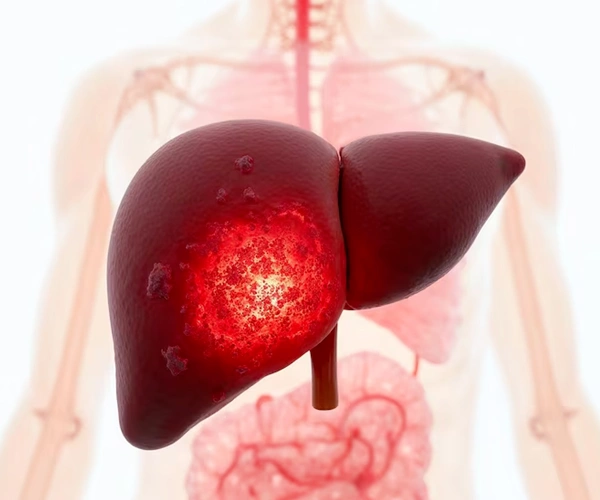
If you are searching for the best Liver Tumors Treatment in Janakpuri, early diagnosis and expert medical care are essential for achieving the best possible outcomes. Liver tumors can be benign (non-cancerous) or malignant (cancerous), and while some remain harmless and require only regular monitoring, others may need prompt medical or surgical treatment. Detecting liver tumors at an early stage significantly improves treatment options and reduces the risk of complications.
Many liver tumors are discovered during routine health check-ups or imaging tests performed for unrelated conditions because they often do not cause symptoms in the early stages. At Dr. Naresh Bansal's Gastro & Liver Clinic, patients receive comprehensive evaluation using advanced diagnostic techniques to accurately identify the type, size, and stage of the tumor. A personalized treatment plan is then developed to ensure the most effective care while preserving liver function whenever possible.
What are Liver Tumors?
Liver tumors are abnormal growths of cells within the liver. They may be classified as benign (non-cancerous) or malignant (cancerous).
Benign Liver Tumors
These tumors generally do not spread to other parts of the body and often require only observation unless they become large or cause symptoms.
Common benign liver tumors include:
- Liver Hemangioma
- Focal Nodular Hyperplasia (FNH)
- Hepatic Adenoma
- Simple Liver Cysts
Malignant Liver Tumors
Cancerous liver tumors can either originate in the liver or spread from another organ.
The most common malignant liver tumors include:
- Hepatocellular Carcinoma (Primary Liver Cancer)
- Cholangiocarcinoma (Bile Duct Cancer)
- Metastatic Liver Cancer (Cancer spread from the colon, breast, pancreas, lungs, or other organs)
Individuals with chronic liver diseases such as Hepatitis B, Hepatitis C, fatty liver disease, or liver cirrhosis have a higher risk of developing liver cancer.
Causes and Risk Factors
Several medical conditions increase the risk of liver tumors.
Common risk factors include:
- Chronic Hepatitis B infection
- Chronic Hepatitis C infection
- Liver cirrhosis
- Alcoholic liver disease
- Non-Alcoholic Fatty Liver Disease (NAFLD)
- Non-Alcoholic Steatohepatitis (NASH)
- Diabetes
- Obesity
- Smoking
- Family history of liver cancer
- Exposure to aflatoxins (toxins produced by certain molds)
- Long-term anabolic steroid use (associated with hepatic adenoma)
While benign tumors may develop without a clear cause, malignant tumors are often linked to chronic liver damage.
Symptoms of Liver Tumors
In the early stages, liver tumors may not produce any noticeable symptoms.
As the tumor grows, symptoms may include:
- Pain or discomfort in the upper right abdomen
- Persistent abdominal fullness
- Unexplained weight loss
- Loss of appetite
- Fatigue
- Nausea and vomiting
- Swelling of the abdomen
- Yellowing of the skin and eyes (Jaundice)
- Fever without an obvious cause
- Enlarged liver
- Easy bruising or bleeding
Patients with liver cirrhosis may notice worsening liver function or new symptoms related to portal hypertension.
How are Liver Tumors Diagnosed?
An accurate diagnosis helps determine whether the tumor is benign or malignant and guides appropriate treatment.
Evaluation may include:
Blood Tests
- Liver Function Tests (LFT)
- Complete Blood Count (CBC)
- Kidney Function Tests
- Alpha-Fetoprotein (AFP)
- Viral Hepatitis Screening
- Coagulation Profile
Imaging Studies
- Ultrasound Abdomen
- Contrast-Enhanced CT Scan
- MRI Liver
- Doppler Ultrasound
- PET-CT in selected cases
Advanced Evaluation
- FibroScan to assess underlying liver disease
- Liver Biopsy (when required)
- Tumor Marker Evaluation
- Endoscopic investigations if cancer spread is suspected
The treatment approach depends on the size, number, and location of tumors, as well as overall liver function.
How are Liver Tumors Treated?
Treatment depends on whether the tumor is benign or malignant, the stage of the disease, and the patient's overall health.
Observation
Small benign tumors without symptoms may only require regular monitoring with ultrasound or MRI.
Medications
Some liver tumors related to infections or underlying liver disease may require antiviral therapy or medications to improve liver health.
Surgical Treatment
Surgery may be recommended when:
- The tumor is localized
- Liver function is adequate
- Complete removal is possible
Minimally Invasive Procedures
Depending on the case, treatment options may include:
- Radiofrequency Ablation (RFA)
- Microwave Ablation
- Transarterial Chemoembolization (TACE)
- Transarterial Radioembolization (TARE)
- Percutaneous ethanol injection (selected cases)
Chemotherapy and Targeted Therapy
Patients with advanced liver cancer may benefit from:
- Targeted therapy
- Immunotherapy
- Systemic chemotherapy in selected situations
Liver Transplantation
For carefully selected patients with early-stage liver cancer and advanced cirrhosis, liver transplantation may offer the best long-term outcome.
Every treatment plan is individualized after careful assessment by the treating specialist.
Treatment Procedure
Step 1 – Initial Consultation
A detailed discussion regarding symptoms, medical history, family history, and existing liver disease.
Step 2 – Comprehensive Evaluation
Blood investigations, imaging studies, FibroScan, and tumor marker assessment are performed.
Step 3 – Diagnosis and Tumor Staging
The exact type of liver tumor is identified, and the extent of disease is evaluated.
Step 4 – Personalized Treatment Planning
A customized management plan is prepared based on tumor characteristics and liver function.
Step 5 – Ongoing Monitoring
Regular follow-up visits help assess treatment response, monitor liver health, and detect recurrence early when applicable.
Benefits of Early Liver Tumor Treatment
Early diagnosis and treatment provide several advantages:
- Improves treatment success rates
- Preserves healthy liver tissue
- Prevents tumor progression
- Reduces the risk of liver failure
- Improves long-term survival in liver cancer
- Allows access to minimally invasive treatment options
- Helps maintain a better quality of life
- Enables regular surveillance for recurrence
- Reduces complications associated with advanced disease
Why Choose Dr. Naresh Bansal?
Dr. Naresh Bansal is a highly experienced Gastroenterologist and Hepatologist with expertise in diagnosing and managing liver disorders, including liver tumors.
Why patients choose Dr. Naresh Bansal:
- Extensive experience in liver disease management
- Expertise in evaluating benign and malignant liver tumors
- Comprehensive liver health assessment
- Advanced diagnostic facilities including FibroScan
- Personalized treatment plans based on the latest clinical guidelines
- Coordination with surgical and oncology specialists when required
- Focus on early diagnosis and prevention of liver-related complications
- Compassionate, patient-focused care
- Modern gastroenterology and liver care services
- Conveniently located clinic in Janakpuri
Frequently Asked Questions (FAQs)
1. Are all liver tumors cancerous?
No. Many liver tumors are benign and do not spread. However, they should be evaluated by a liver specialist to determine whether treatment or regular monitoring is needed.
2. What are the early symptoms of liver cancer?
Early liver cancer often has no symptoms. As it progresses, patients may experience abdominal pain, unexplained weight loss, fatigue, jaundice, or swelling of the abdomen.
3. How are liver tumors detected?
Liver tumors are commonly diagnosed using ultrasound, CT scan, MRI, blood tests, tumor markers such as AFP, and sometimes a liver biopsy.
4. Can liver tumors be treated without surgery?
Yes. Depending on the type and stage of the tumor, treatments such as radiofrequency ablation, chemoembolization, targeted therapy, immunotherapy, or regular monitoring may be appropriate.
5. Who is at higher risk of developing liver tumors?
People with chronic Hepatitis B, Hepatitis C, liver cirrhosis, fatty liver disease, heavy alcohol consumption, obesity, diabetes, or a family history of liver cancer have a higher risk and should undergo regular liver evaluations.

Dr Naresh Bansal.All Rights Reserved © 2026