drnbansal@ymail.com
Phone : +918447542860
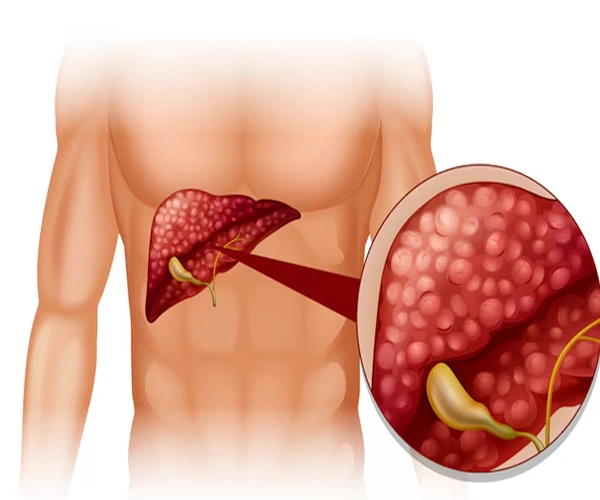
Liver cirrhosis is a chronic condition characterized by progressive scarring of the liver tissue. Over time, healthy liver cells are replaced by scar tissue, affecting the liver's ability to function properly. Common causes include chronic hepatitis, excessive alcohol consumption, fatty liver disease, and certain inherited liver disorders.
Symptoms of liver cirrhosis may include fatigue, weakness, loss of appetite, abdominal swelling, jaundice, weight loss, and swelling in the legs. Early detection is essential because liver damage can become irreversible if left untreated.
Treatment focuses on slowing disease progression, managing symptoms, preventing complications, and addressing the underlying cause. Lifestyle modifications, medications, dietary management, and regular monitoring are important components of care. In advanced cases, liver transplantation may be considered.
With timely medical intervention and proper management, many patients can maintain a better quality of life and reduce the risk of serious complications associated with liver cirrhosis.
FAQs
Q1. What causes liver cirrhosis?
Common causes include hepatitis, alcohol-related liver disease, and fatty liver disease.
Q2. Is liver cirrhosis reversible?
Scarring is generally permanent, but treatment can slow progression.
Q3. What are the symptoms of cirrhosis?
Fatigue, jaundice, abdominal swelling, and loss of appetite.
Q4. How is cirrhosis diagnosed?
Through blood tests, imaging studies, and liver evaluation.
Q5. Can lifestyle changes help?
Yes, avoiding alcohol and following medical advice can improve outcomes.

Dr Naresh Bansal.All Rights Reserved © 2026