drnbansal@ymail.com
Phone : +918447542860
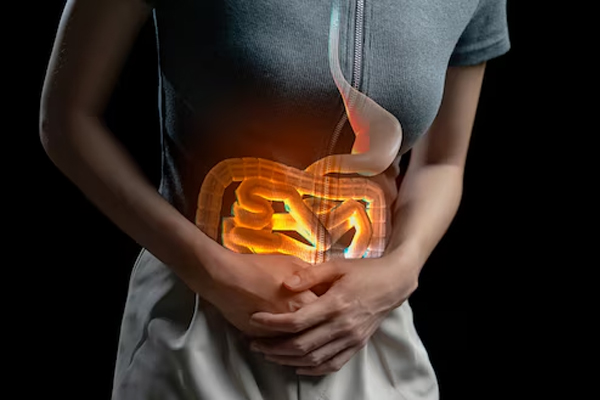
Gastrointestinal disorders affect the digestive system, including the stomach, intestines, esophagus, liver, pancreas, and colon. These conditions can cause symptoms such as abdominal pain, bloating, nausea, vomiting, constipation, diarrhea, heartburn, and difficulty digesting food. Common gastrointestinal disorders include irritable bowel syndrome (IBS), gastritis, peptic ulcers, inflammatory bowel disease (IBD), and digestive infections.
Early diagnosis and treatment are essential to prevent complications and improve quality of life. Treatment depends on the underlying condition and may involve lifestyle modifications, dietary changes, medications, and advanced diagnostic procedures. Maintaining a healthy diet, staying hydrated, and avoiding trigger foods can significantly improve digestive health.
If you are experiencing persistent digestive symptoms, professional evaluation can help identify the cause and provide effective treatment. Timely management of gastrointestinal disorders helps restore digestive function and promotes long-term health and well-being.
FAQs
Q1. What are gastrointestinal disorders?
They are conditions affecting the digestive tract and related organs.
Q2. What are common symptoms?
Abdominal pain, bloating, heartburn, diarrhea, constipation, and nausea.
Q3. Can gastrointestinal disorders be treated?
Yes, most conditions can be effectively managed with proper treatment.
Q4. When should I see a doctor?
If symptoms persist, worsen, or affect daily activities.
Q5. Can diet help improve digestive health?
Yes, a balanced diet plays a crucial role in digestive wellness.

Dr Naresh Bansal.All Rights Reserved © 2026