drnbansal@ymail.com
Phone : +918447542860
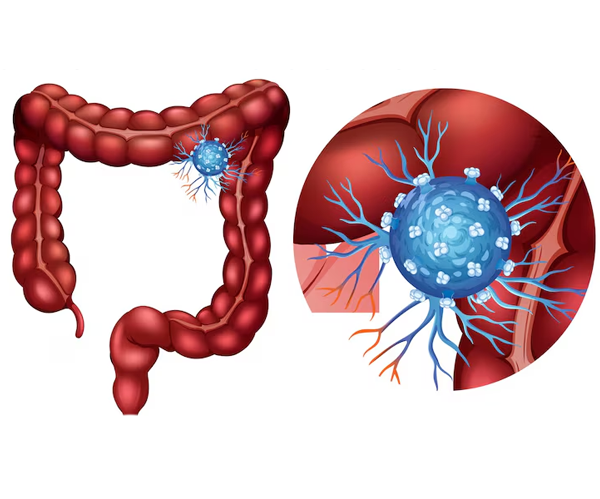
Gastrointestinal cancers are serious diseases that affect the digestive system, including the esophagus, stomach, liver, pancreas, gall bladder, small intestine, colon, rectum, and bile ducts. These cancers can significantly impact digestion, nutrition, metabolism, and overall health if not diagnosed and treated at an early stage. Early detection, timely medical intervention, and comprehensive cancer care are extremely important for improving treatment outcomes and quality of life.
Dr. Naresh Bansal is one of the leading Gastroenterologists, Hepatologists, and Digestive Disease Specialists in Delhi, offering advanced evaluation and comprehensive care for gastrointestinal cancers and complex digestive disorders. With more than 24 years of overall medical experience and over 17 years as a specialist, he has extensive expertise in diagnosing gastrointestinal diseases using advanced endoscopic and hepatology techniques. Currently associated with Sir Ganga Ram Hospital, New Delhi, Dr. Naresh Bansal provides evidence-based and patient-focused care for patients suffering from gastrointestinal and liver-related cancers.
What are Gastrointestinal Cancers?
Gastrointestinal (GI) cancers are cancers that develop in the digestive tract and associated organs. These cancers may affect different parts of the digestive system and can vary in severity depending on the stage and location.
Common gastrointestinal cancers include:
- Esophageal Cancer
- Stomach Cancer
- Liver Cancer
- Pancreatic Cancer
- Gall Bladder Cancer
- Colon Cancer
- Rectal Cancer
- Bile Duct Cancer
- Small Intestinal Cancer
Early diagnosis is critical because many gastrointestinal cancers may remain silent during the initial stages.
Causes & Risk Factors
Several lifestyle, medical, and genetic factors can increase the risk of gastrointestinal cancers.
Common risk factors include:
- Smoking and tobacco use
- Excessive alcohol consumption
- Chronic liver disease
- Hepatitis B & C infection
- Obesity
- Poor dietary habits
- Chronic acidity and acid reflux
- Colon polyps
- Inflammatory bowel disease
- Family history of cancer
- Chronic pancreatitis
- Helicobacter pylori infection
Dr. Naresh Bansal emphasizes preventive gastroenterology and regular screening for high-risk individuals.
Symptoms of Gastrointestinal Cancer
Symptoms may vary depending on the affected organ and stage of cancer.
Common warning signs include:
- Persistent abdominal pain
- Difficulty swallowing
- Unexplained weight loss
- Loss of appetite
- Blood in stool or vomiting blood
- Persistent acidity or indigestion
- Jaundice
- Changes in bowel habits
- Chronic constipation or diarrhea
- Fatigue and weakness
- Persistent nausea or vomiting
- Abdominal swelling
Persistent digestive symptoms should never be ignored and require immediate medical evaluation.
Diagnosis of Gastrointestinal Cancer
Accurate and early diagnosis plays a crucial role in successful cancer management.
Dr. Naresh Bansal may recommend advanced diagnostic investigations such as:
- Upper GI Endoscopy
- Colonoscopy
- Endoscopic Ultrasound (EUS)
- ERCP
- Ultrasound Abdomen
- CT Scan
- MRI & PET Scan
- Biopsy
- Liver Function Tests
- Tumor Marker Tests
- Blood Investigations
Advanced endoscopic techniques help detect cancers at an early stage and guide appropriate treatment planning.
Gastrointestinal Cancer Care Services
Dr. Naresh Bansal provides comprehensive gastrointestinal cancer care with a multidisciplinary and patient-focused approach.
Early Detection & Screening
Regular screening through endoscopy and colonoscopy helps detect precancerous conditions and early-stage cancers.
Diagnostic Endoscopy
Advanced endoscopic procedures are performed for detailed evaluation, biopsy collection, and cancer staging.
Liver & Pancreatic Cancer Care
Specialized evaluation and management are provided for liver tumors, pancreatic cancers, and bile duct cancers.
Nutritional & Digestive Support
Cancer patients often experience nutritional deficiencies and digestive issues. Personalized dietary guidance and supportive care are provided to improve recovery and quality of life.
Therapeutic Endoscopy
Advanced endoscopic procedures may help manage gastrointestinal bleeding, bile duct obstruction, swallowing difficulty, and stent placement in selected patients.
Long-Term Monitoring
Patients require regular follow-up and monitoring for disease progression, recovery, and treatment response.
Importance of Early Cancer Detection
Early diagnosis significantly improves the chances of successful treatment and better survival outcomes. Screening is especially important for individuals with:
- Family history of gastrointestinal cancers
- Chronic liver disease
- Long-standing acidity or GERD
- Colon polyps
- Inflammatory bowel disease
- Hepatitis B & C infection
- Smoking and alcohol habits
Dr. Naresh Bansal strongly promotes awareness, preventive screening, and timely evaluation of digestive symptoms.
Why Choose Dr. Naresh Bansal for Gastrointestinal Cancer Care?
- More than 24 years of medical experience
- Expertise in gastroenterology, hepatology, and therapeutic endoscopy
- Consultant at Sir Ganga Ram Hospital, New Delhi
- Advanced diagnostic endoscopy and colonoscopy expertise
- Comprehensive digestive and liver care
- Personalized patient-focused treatment approach
- Expertise in pancreatic and biliary disorders
- Evidence-based and ethical medical practices
- Advanced liver disease and cancer evaluation
- Compassionate and supportive patient care
Dr. Naresh Bansal is highly respected for his expertise in diagnosing complex gastrointestinal diseases and providing comprehensive digestive healthcare solutions.
Preventive Measures for Gastrointestinal Cancer
Healthy lifestyle habits and regular screening can help reduce the risk of gastrointestinal cancers.
Important preventive tips include:
- Avoid smoking and tobacco
- Limit alcohol consumption
- Maintain healthy body weight
- Eat fiber-rich healthy diet
- Avoid excessive processed foods
- Exercise regularly
- Get vaccinated for Hepatitis B
- Undergo regular screening if high risk
- Treat chronic digestive disorders early
FAQs
1. What are gastrointestinal cancers?
Gastrointestinal cancers are cancers affecting the digestive tract and related organs such as the stomach, liver, colon, pancreas, and esophagus.
2. What are the common symptoms of GI cancers?
Symptoms may include abdominal pain, weight loss, bleeding, acidity, bowel changes, jaundice, and difficulty swallowing.
3. Can gastrointestinal cancers be detected early?
Yes, endoscopy, colonoscopy, imaging tests, and regular screening help detect cancers at an early stage.
4. Who is at higher risk of GI cancers?
People with smoking habits, chronic liver disease, obesity, family history, hepatitis infection, and inflammatory bowel disease are at higher risk.
5. What is the role of endoscopy in cancer diagnosis?
Endoscopy helps directly visualize the digestive tract, detect abnormal growths, and collect biopsy samples for diagnosis.
6. Can liver disease increase cancer risk?
Yes, chronic liver diseases such as cirrhosis and hepatitis B or C increase the risk of liver cancer.
7. Is colonoscopy useful for cancer prevention?
Yes, colonoscopy helps detect and remove precancerous polyps before they turn into cancer.
8. Can gastrointestinal cancers be treated successfully?
Treatment success depends on the stage of cancer, early diagnosis, and overall patient health.
9. Why is early diagnosis important in GI cancers?
Early-stage cancers are easier to treat and have significantly better recovery and survival outcomes.
10. Why should I consult Dr. Naresh Bansal for gastrointestinal cancer care?
Dr. Naresh Bansal offers advanced expertise in digestive diseases, endoscopy, hepatology, and gastrointestinal cancer evaluation with personalized and evidence-based patient care.

Dr Naresh Bansal.All Rights Reserved © 2026