drnbansal@ymail.com
Phone : +918447542860
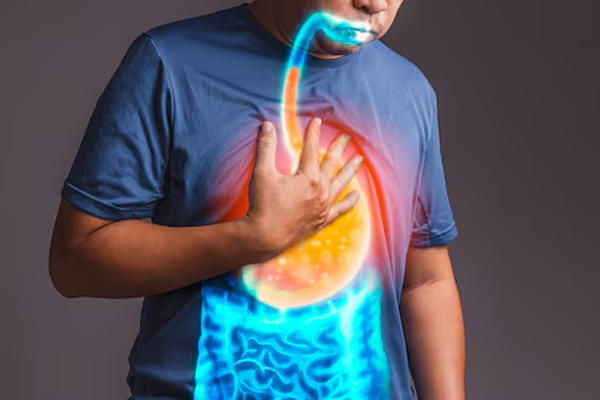
Acidity and reflux disorders occur when stomach acid flows back into the esophagus, causing discomfort and irritation. This condition is commonly known as acid reflux or gastroesophageal reflux disease (GERD). It can affect people of all ages and may significantly impact daily life if left untreated.
Common symptoms include heartburn, chest discomfort, sour taste in the mouth, regurgitation, bloating, nausea, and difficulty swallowing. Certain foods, obesity, smoking, stress, and irregular eating habits can increase the risk of acid reflux.
Treatment typically involves dietary modifications, lifestyle changes, medications, and managing underlying factors. Patients are often advised to avoid spicy foods, caffeine, late-night meals, and excessive fatty foods. Maintaining a healthy weight and following a balanced diet can also help reduce symptoms.
Early treatment helps prevent complications such as esophageal inflammation, ulcers, and long-term damage. Proper management can provide lasting relief and improve overall digestive health.
FAQs
Q1. What causes acid reflux?
It occurs when stomach acid flows back into the esophagus.
Q2. What are common symptoms?
Heartburn, regurgitation, bloating, and chest discomfort.
Q3. Is acid reflux the same as GERD?
Frequent acid reflux may develop into GERD.
Q4. Can diet affect acidity?
Yes, certain foods can trigger or worsen symptoms.
Q5. When should I seek treatment?
If symptoms are frequent, severe, or persistent despite lifestyle changes.

Dr Naresh Bansal.All Rights Reserved © 2026